Brian’s Wyoming Cow Elk Hunt
Written by Kate Arnzen
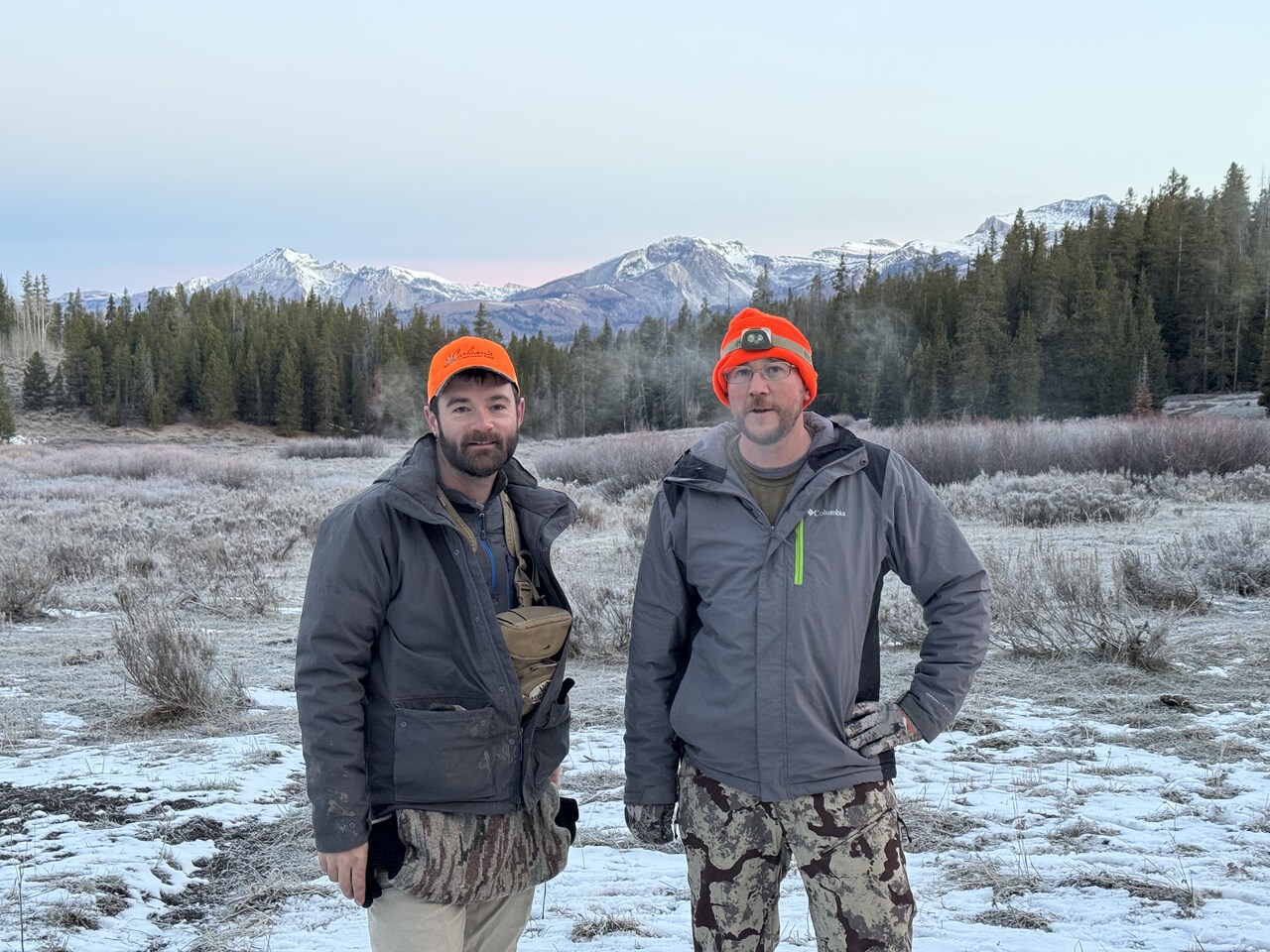
Several friends and I started off our elk hunting adventures in 2021 with Wyoming cow elk tags in a unit that could be best described as “very easy to hunt elk.” The only catch was that it required using up a couple of our general elk points in Wyoming, and we had to pay for a full price nonresident elk tag ($700+). We figured it would allow us Midwesterners to get our feet wet and learn some basic things, like “what does an elk look like,” how do you butcher and pack one out, etc. After filling several cow tags this way, we decided to graduate this year to a unit where we could hunt them without using up our elk points, and only pay $300 for reduced price cow elk tags. We knew the unit would be considerably more difficult, but it would allow us to start hunting an area where bull tags were more obtainable, and we needed to learn how to do real elk hunting off the beaten track. Andre (of JP Rifles) and Brian (our shop manager) managed to draw tags; I was along for the mountain views, exercise, and good company.
Day 1:
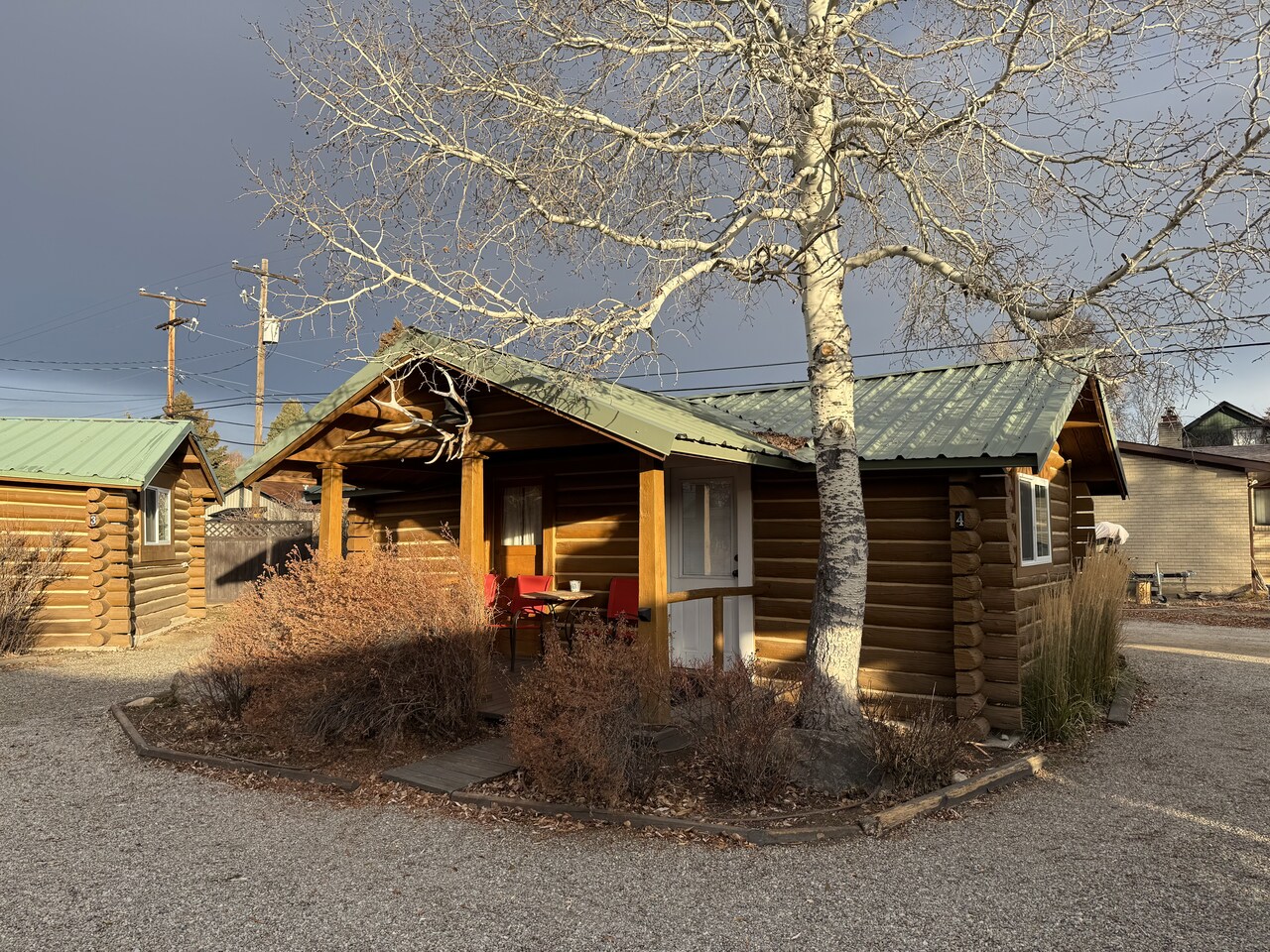
The excitement of going elk hunting was too strong; none of us could sleep in, despite the time change from Minnesota. We rolled out of the Log Cabin Motel in Pinedale (awesome place) around 6am and hit the road to our unit. General season was over, so the only other people around would be fellow cow elk hunters - and there shouldn’t be too many.
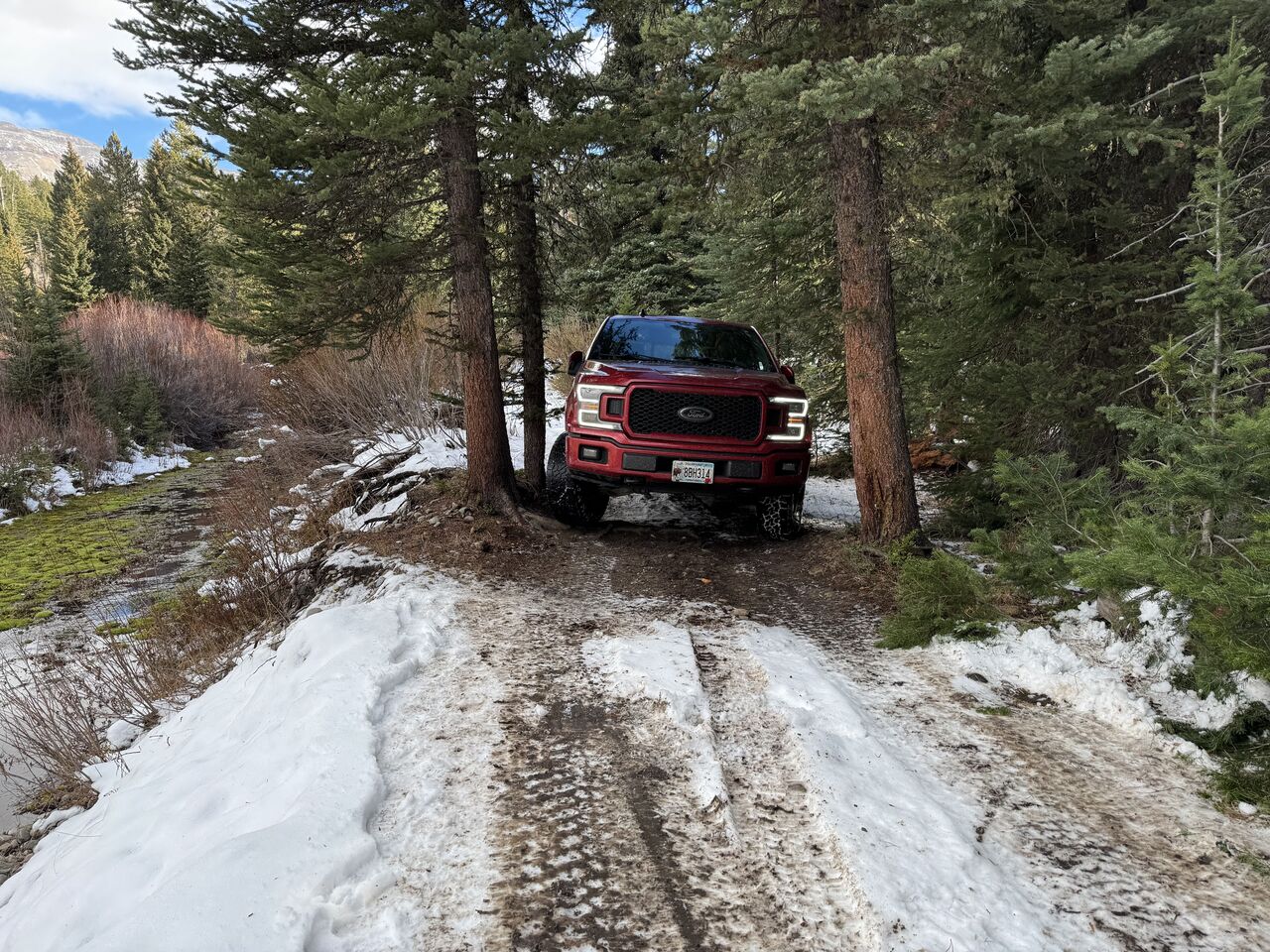
We boldly drove deep into the unit, not fully comprehending that the frozen mud roads would soon turn into grease as the day heated up. Even with the roads in a good condition, we nearly managed to wedge the truck between two trees - twice. New rule: if we have to retract the mirrors, go back.
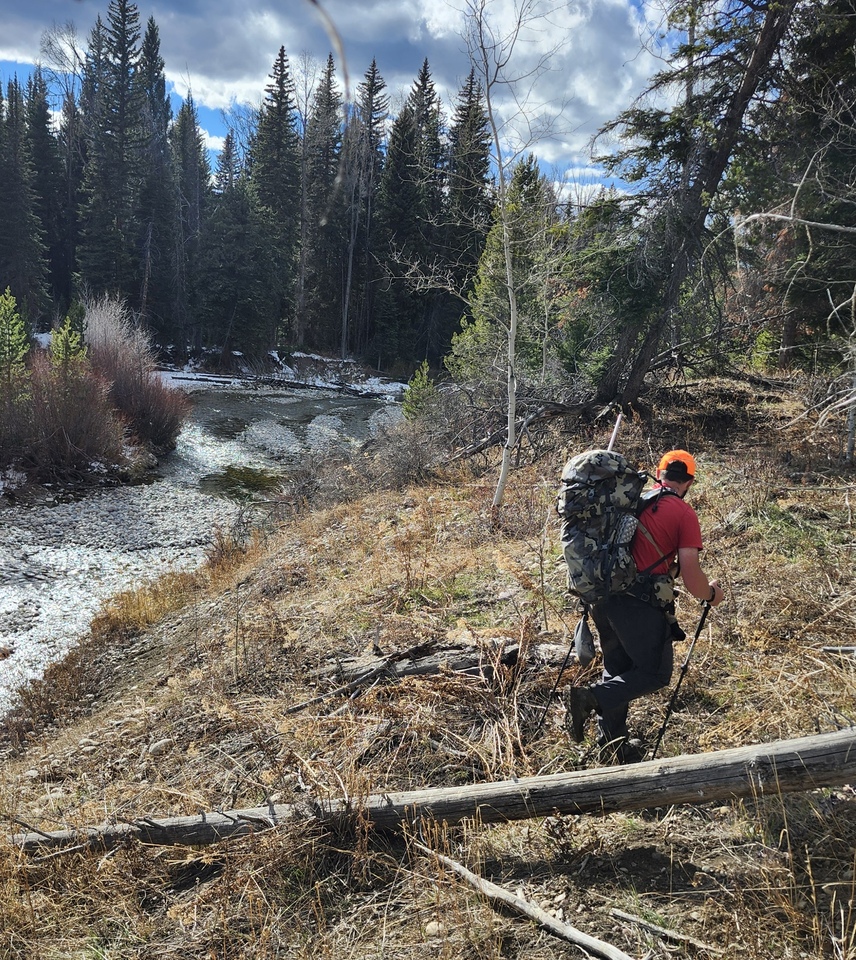
We finally parked, threw on our packs, and immediately ran into an impassable 4’ wide, 10” deep creek. One foot too wide to jump, and 4” too high for our boots. Some sketchy log balancing acts eventually prevailed.
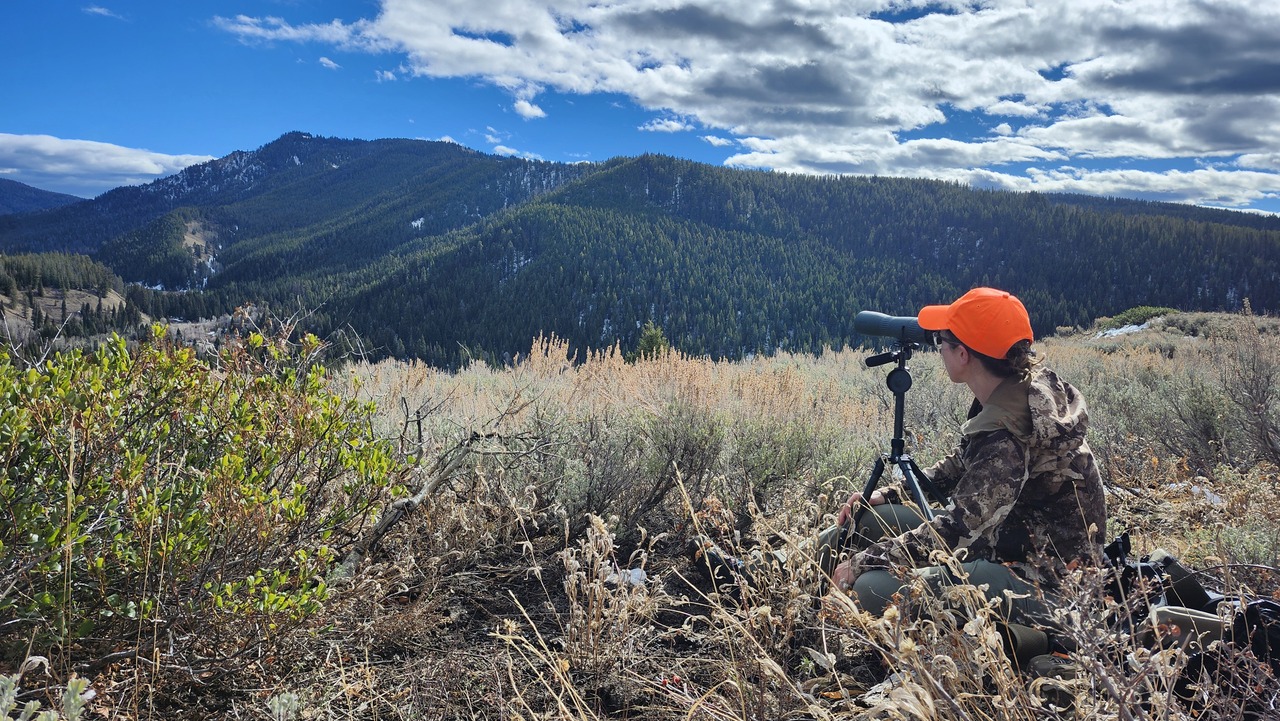
We quickly found a heavily established game/hiking/horse trail and made our way to one glassing knob after another. Lots of promising terrain, and occasional piles of elk poop, but we didn’t spot any of the happy critters themselves.
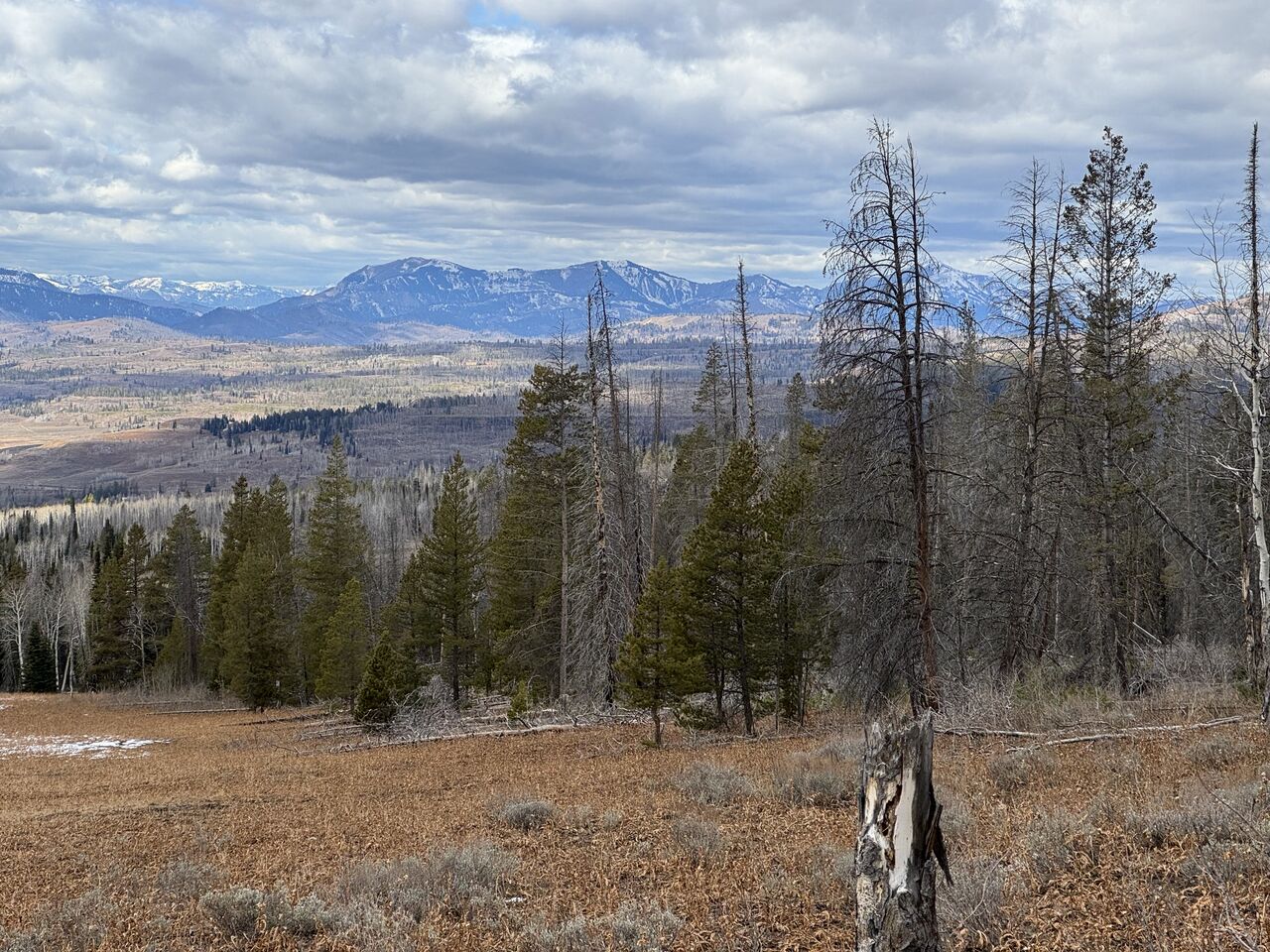
In search of more elk sign, we decided to take an alternate route back of our own creation. It mostly went well, although one of our party may have slid halfway down a slick hillside after ascending it.
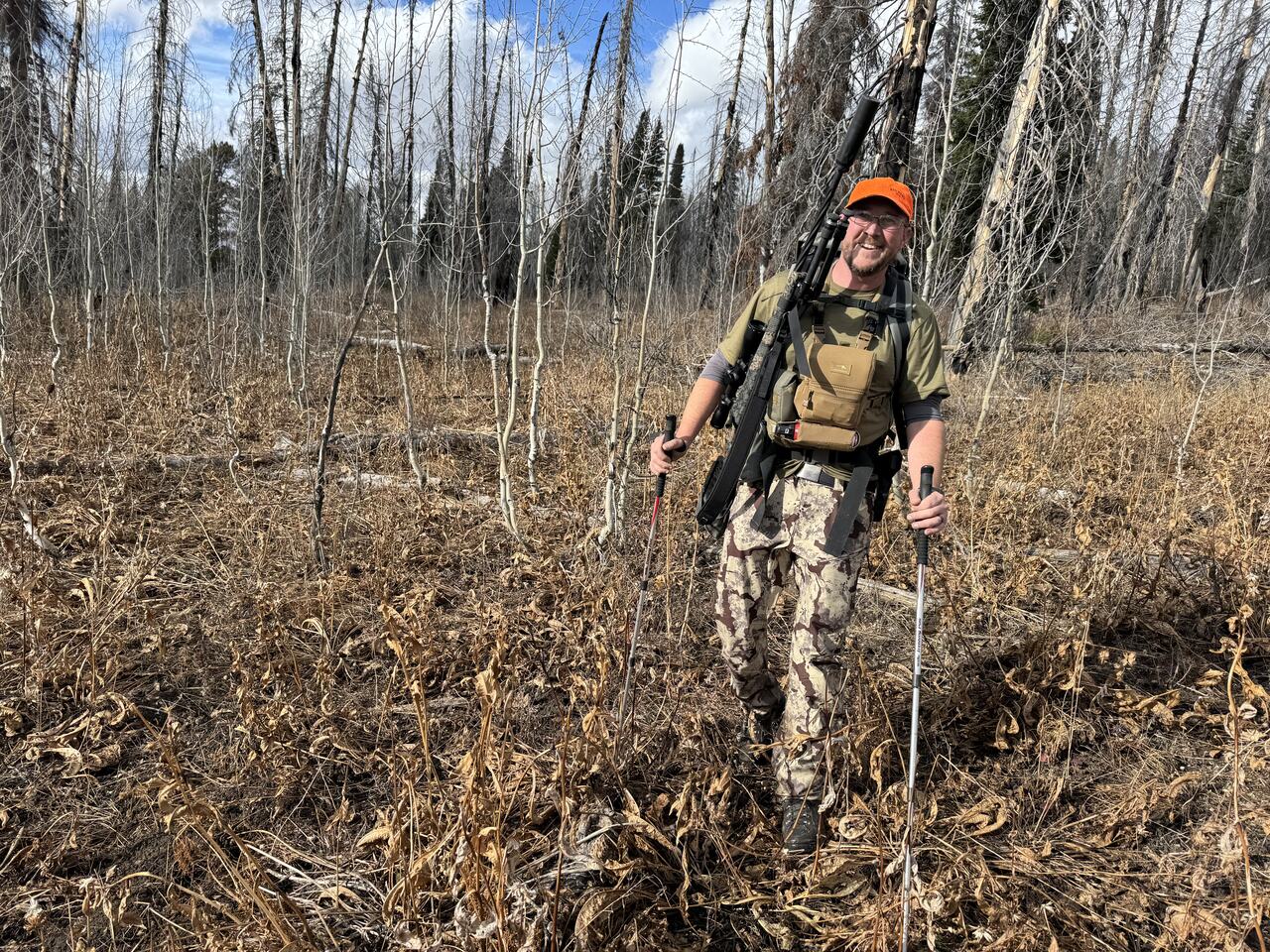
Once again, we encountered the impenetrable 4’ creek, and struggled our way across it. We hopped back in the truck, blissfully unaware of what the road had become. This did not last long. We made it about a mile before we had a very close encounter with a tree while sliding, and soon found our truck firmly stuck in mud. What should have been an easy drive back turned into a bad scenario thanks to a truck that refused to operate in 4WD. We managed to free the truck after airing down the tires and deploying some traction boards. A quick walk, with grouse dodging in and out of bushes next to the muddy road, convinced us that going farther looked futile.
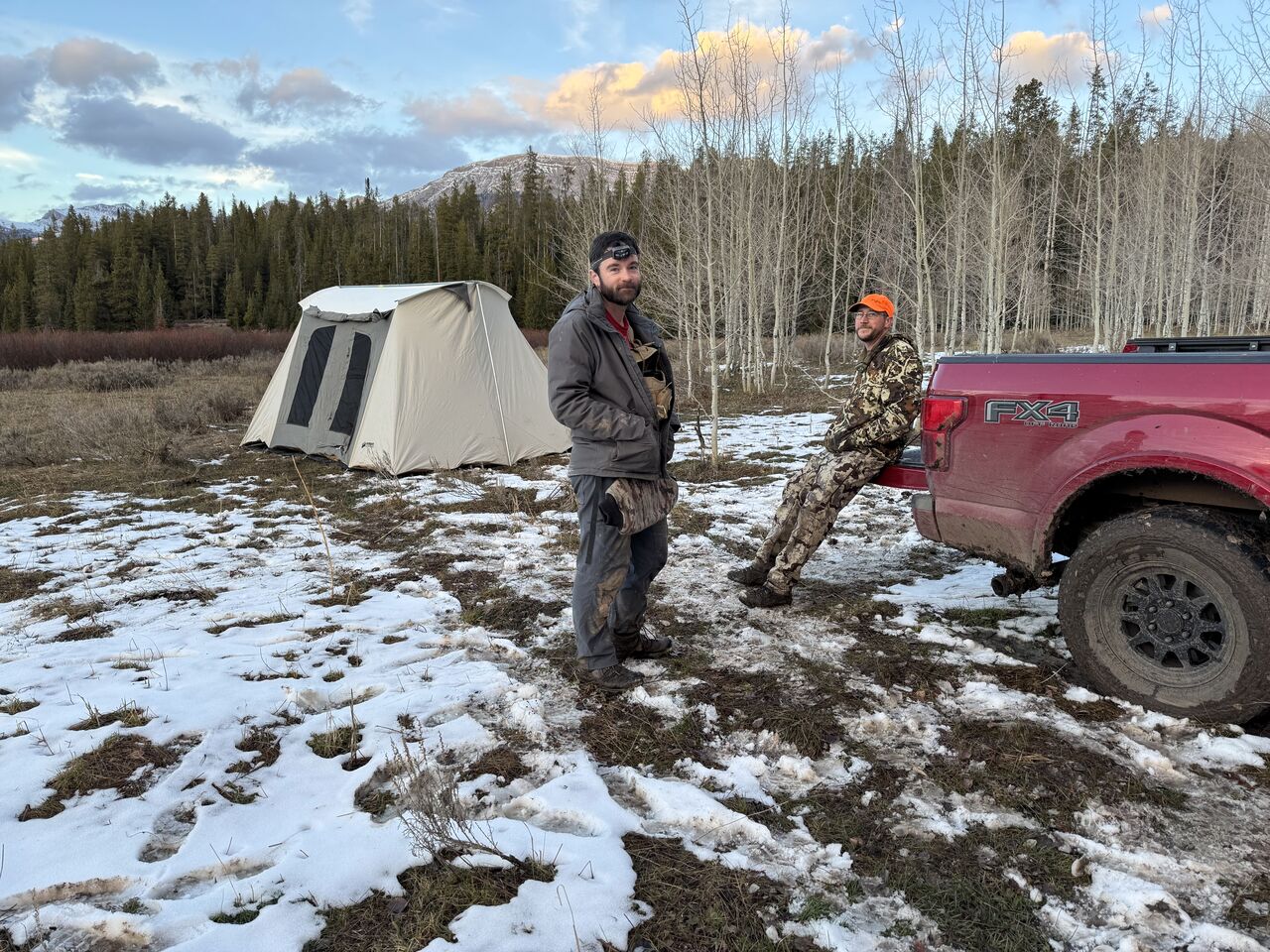
Fortunately, we hadn’t set up camp elsewhere, and had our tent and supplies with us. We decided to wait for the roads to re-freeze overnight before attempting our exit. A night of backpacking meals and a card game called Cockroach Poker ensued.
Day 2:
After a stressful night wondering if we’d be able to escape, our plan to let the road re-freeze yielded good results - up until we encountered a long icy incline in the woods. Then the ol’ 2WD F150 got thoroughly stuck. This time, we managed to get rescued by a local in an F250 with functioning 4WD and a tow strap. He also nearly got stuck on the same icy hill, which restored a smidge of our pride.
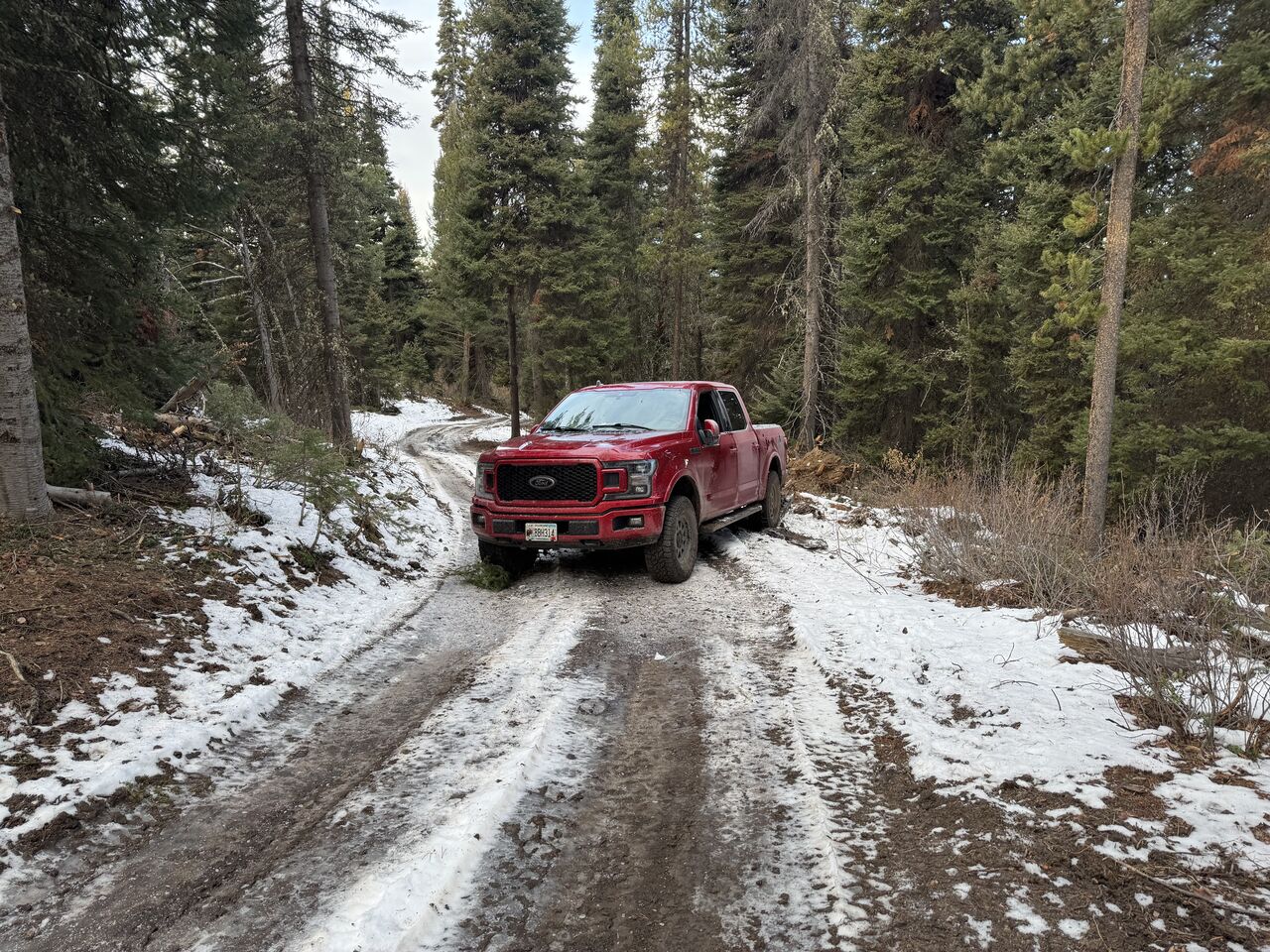
We decided we’d try our hand at a segment of the unit that required less distance in the truck on sketchy roads, and set up camp. For the first time, we started to see more hunters; a guide on horseback with two clients clopped past us as we munched on bagels celebrating our escape from mud/ice.
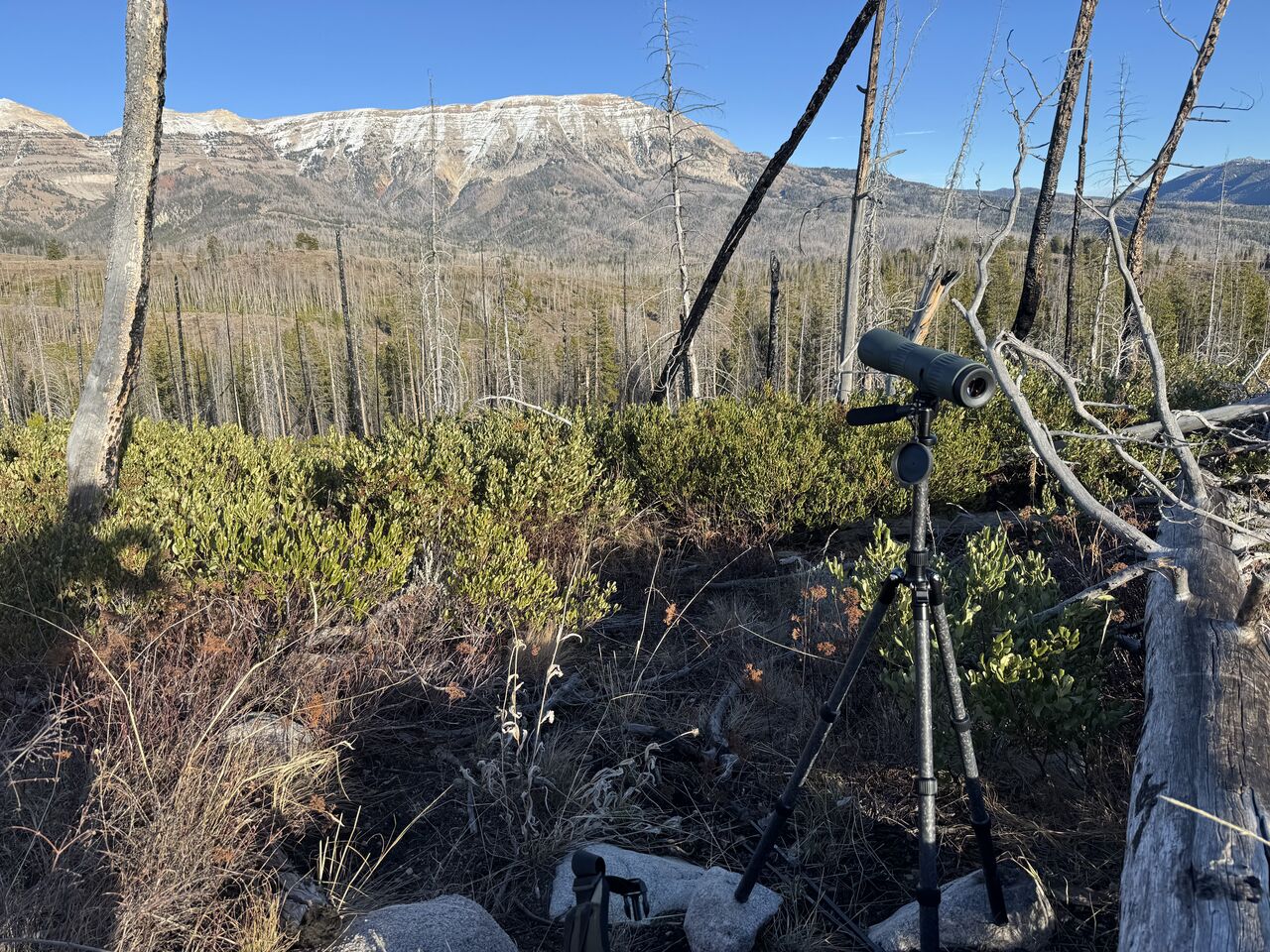
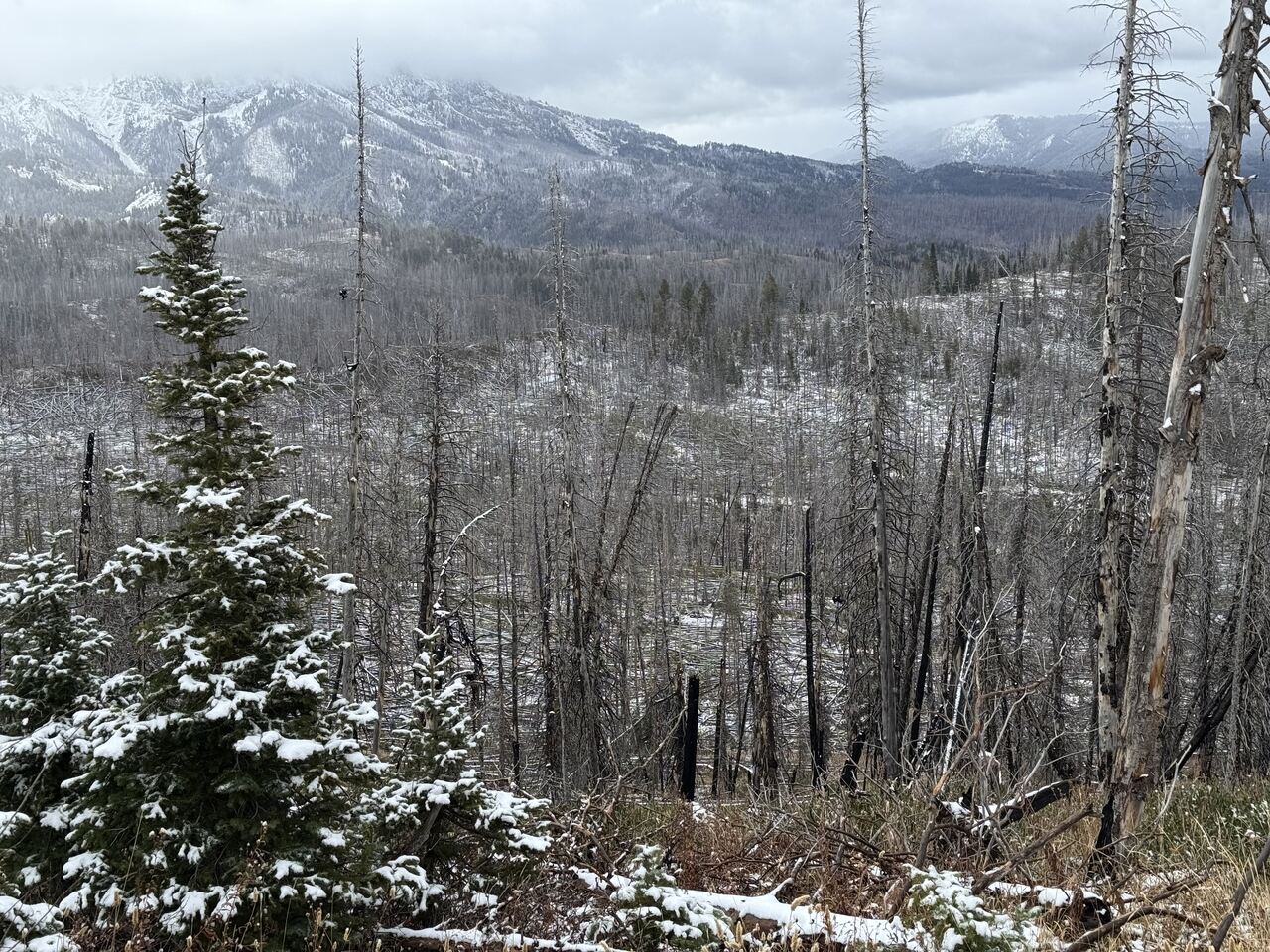
We tossed on our packs and headed in to find a good glassing knob and get the lay of the land. This part of the unit had been burned in a fire about 10 years ago, and had plenty of deadfall - but also lots of fresh growth that looked appealing for grazing. A few miles up a trail, we encountered an older gentleman on an ATV, who appeared to be admiring some cows next to the trail while puffing on a vape. He was sporting a bolt action rifle on his gun rack with a glossy Leupold scope - we didn’t get a good look, but we wagered a Winchester 70 in 30-06 was a safe bet. He opined that the elk were still “way high up;” they wouldn’t come down until snow drove them off the mountain “because they know what’s waiting for them down here.” Wise words.
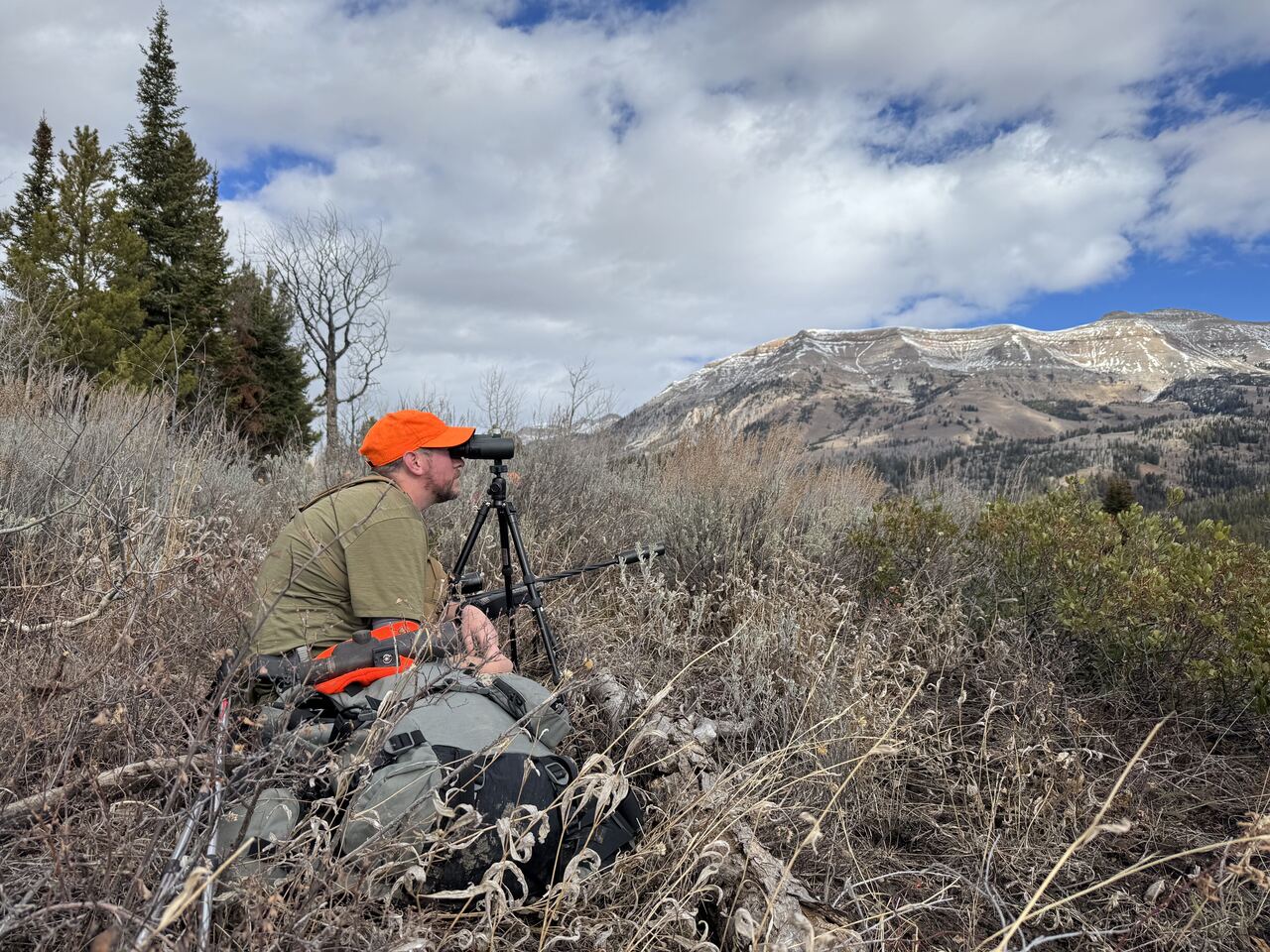
The trail ended and we started hopping over deadfall to ascend, which was delightful, as deadfall always is. Myself and Andre climbed to the top of a ridge and Brian scoped things out from a lower shelf. We saw more elk sign than we had on day 1, and it looked like good territory - but didn’t spot any elk.
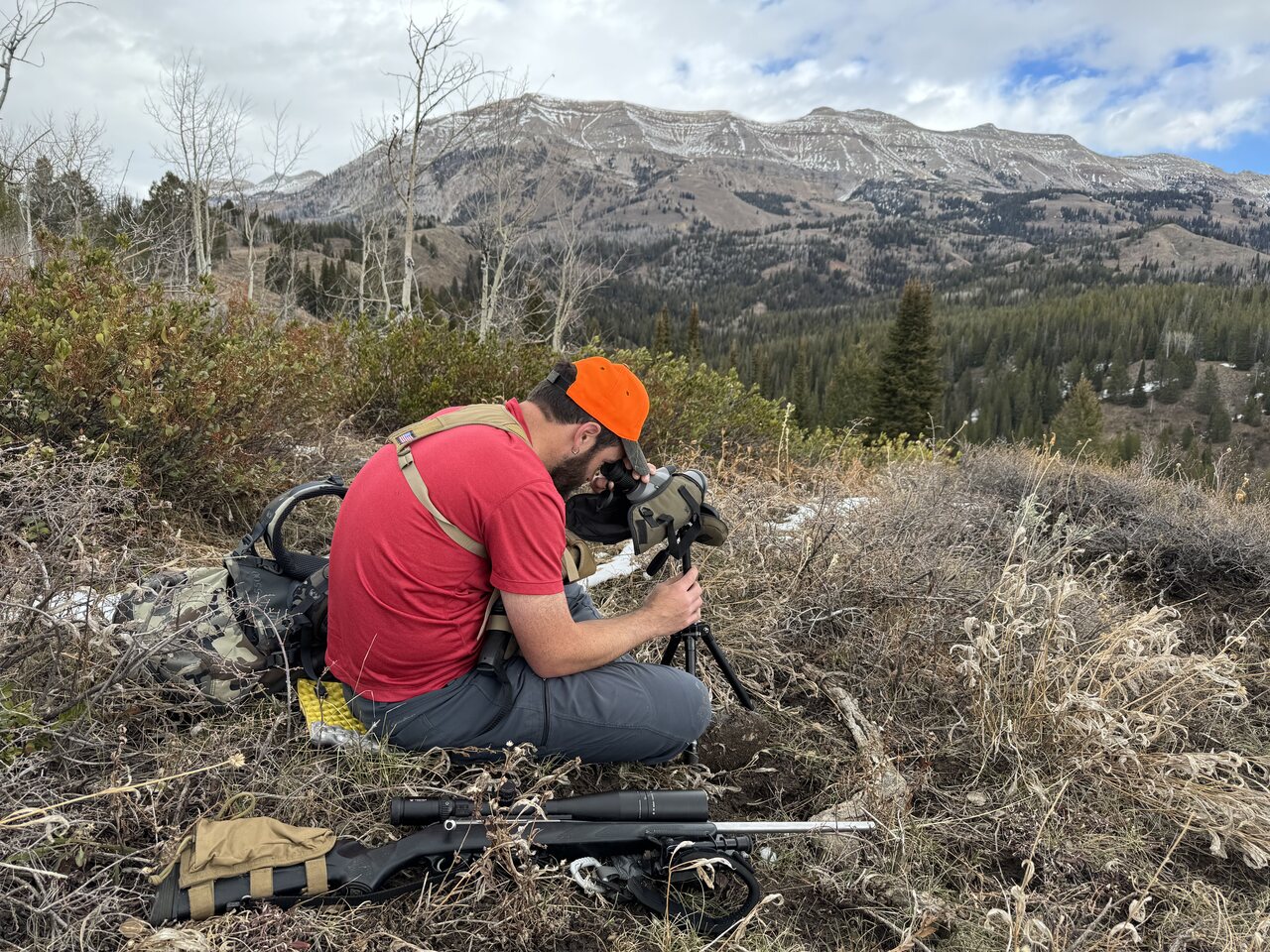
Andre may have gotten a fleeting glimpse at a deer butt. Brian ran into two other hunters coming down; nice guys in their 60’s. They claimed to have glassed some cow elk far off on the snowy mountainside.
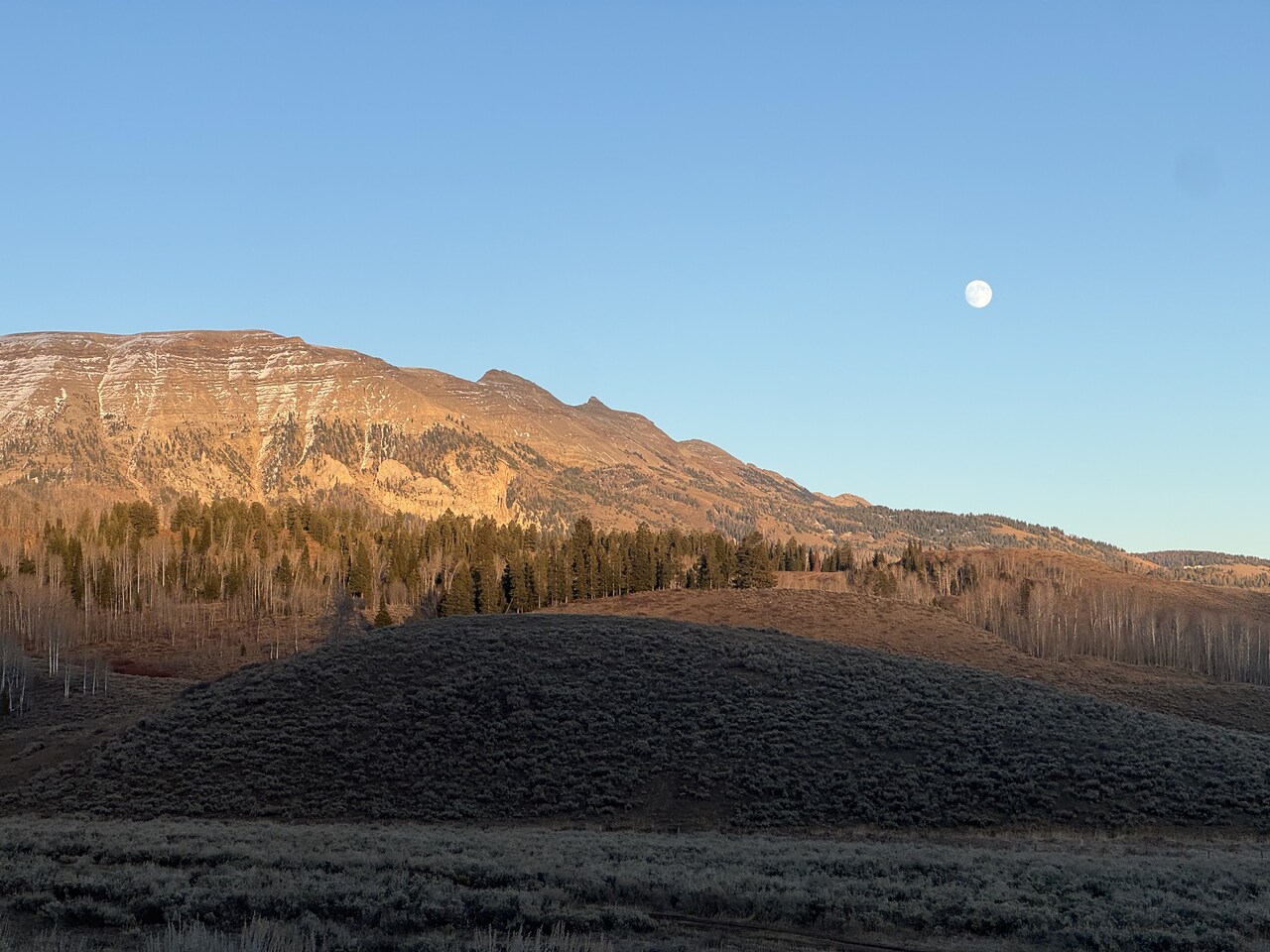
Back at camp, we enjoyed a pasta meal from home that I had vacuum sealed and frozen, then played some more Cockroach Poker cards before hitting the hay.
Day 3:
We opted for a long early hike along a horse trail, hoping to get in deeper than anyone besides the horse outfitters were willing to go. I was out of the tent before there was a glimmer of predawn light, prepping coffee and bagels. A truck rumbled by shortly before we left on foot around 6:30am.
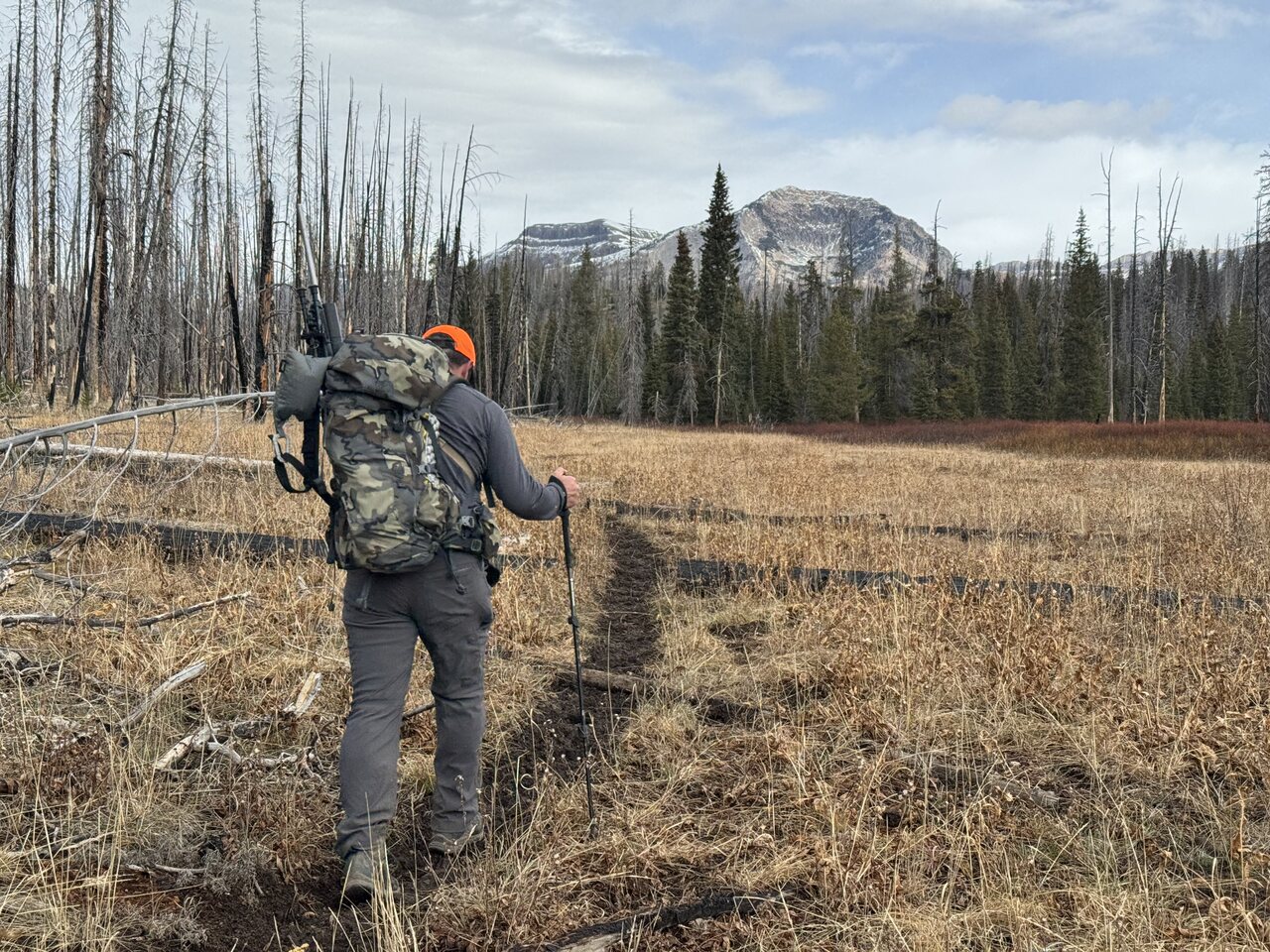
We encountered the truck again shortly after that, at the beginning of the horse trail we had planned to march up. It was the two men in their 60’s that Brian had chatted with last night. We were clearly moving at a much faster pace, and thought it likely we were going to end up much deeper than them. With a little guilt, we leapfrogged them on the trail, but they seemed amenable to letting us pass by.
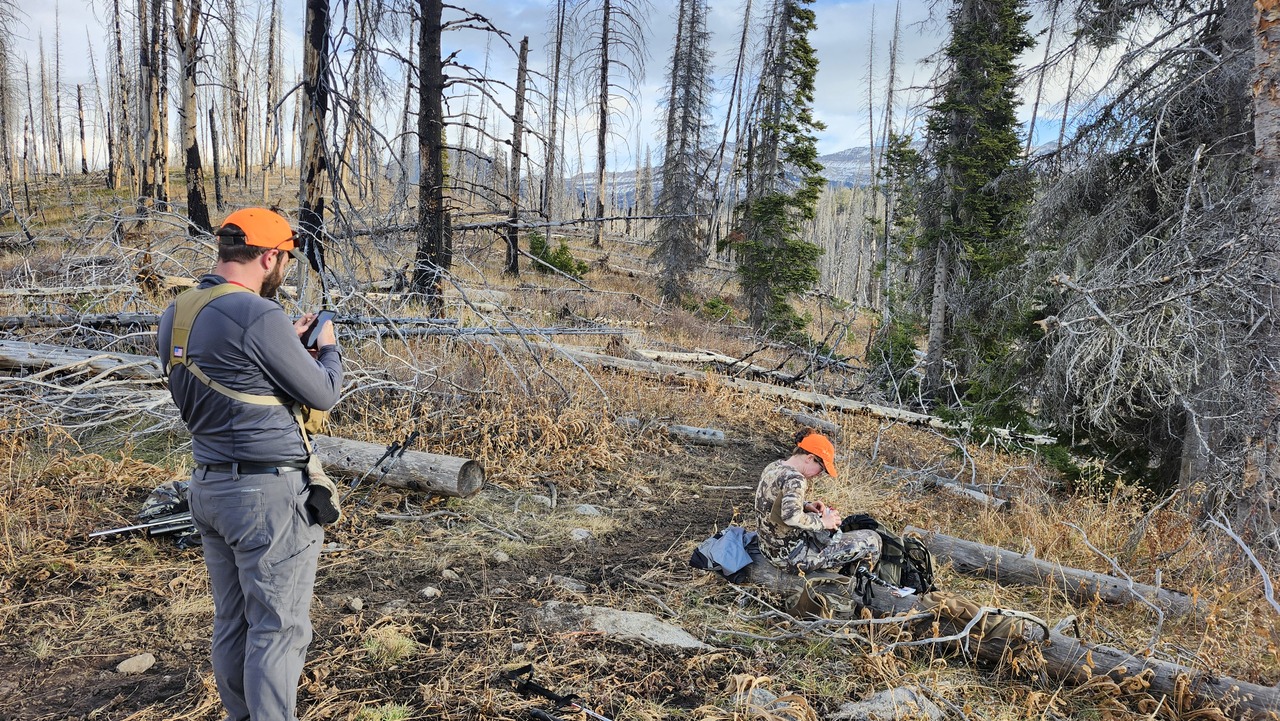
After about 2 hours of upward hiking on the heavily turned up horse trail, we hit a large clearing at 8200 feet and sat down to glass for a moment. Once again, no elk bedding on the looming mountainsides, but we were rewarded with the sight of a half dozen mule deer does trotting across the far end of the clearing. The lead doe was sporting a large collar with a bright green box attached to it; possibly one of the deer tracked by Wyoming’s Migration Initiative!
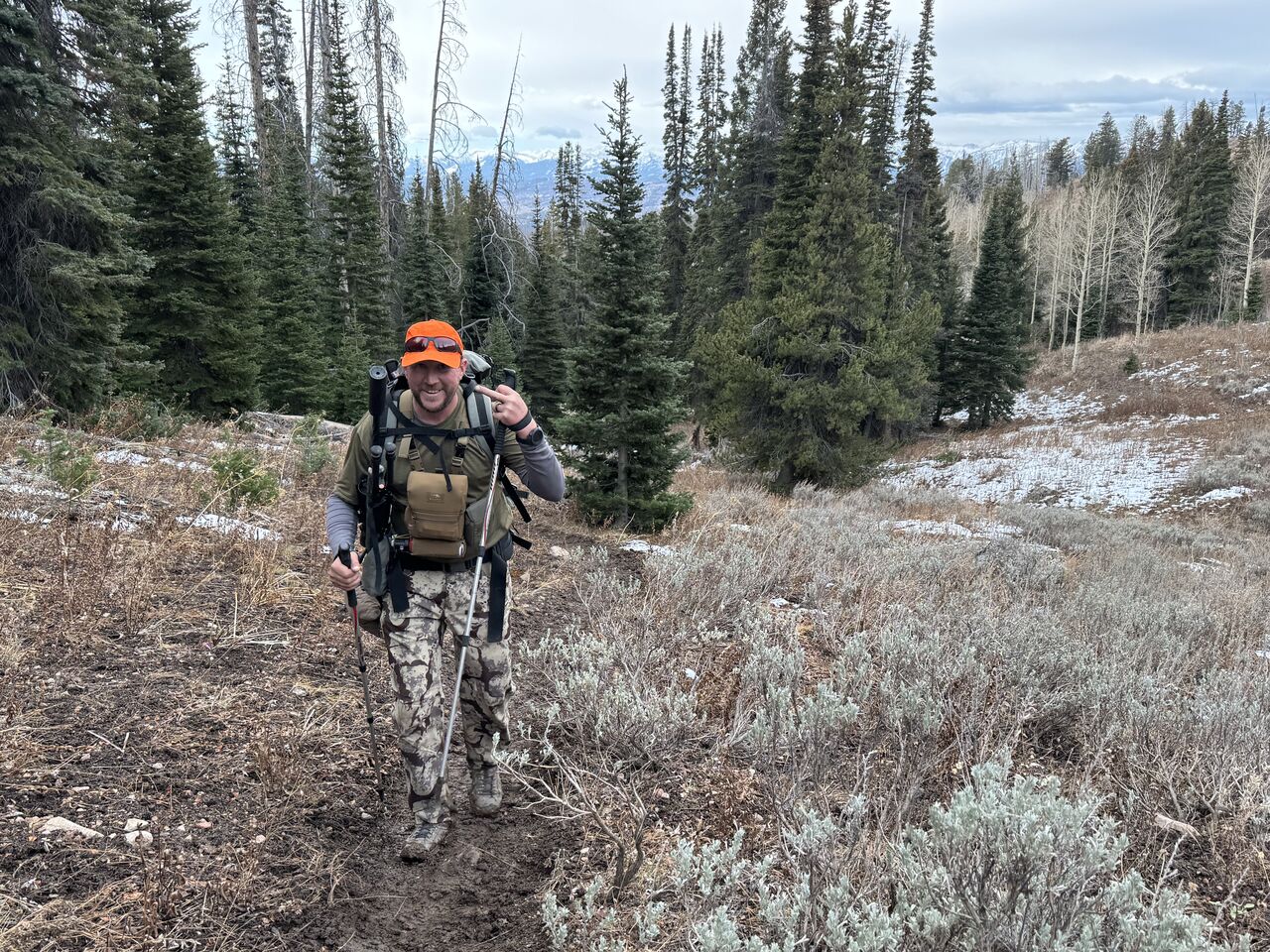
Halfway through the clearing we encountered a small electric wire fence surrounding a whole lot of horse poop. Within minutes of leaving the clearing, we ran into the likely owners - a guide on a massive horse was leading two clients back where we came from. He was weathered and reserved; the most we got out of him was “it’s awfully quiet up there.”
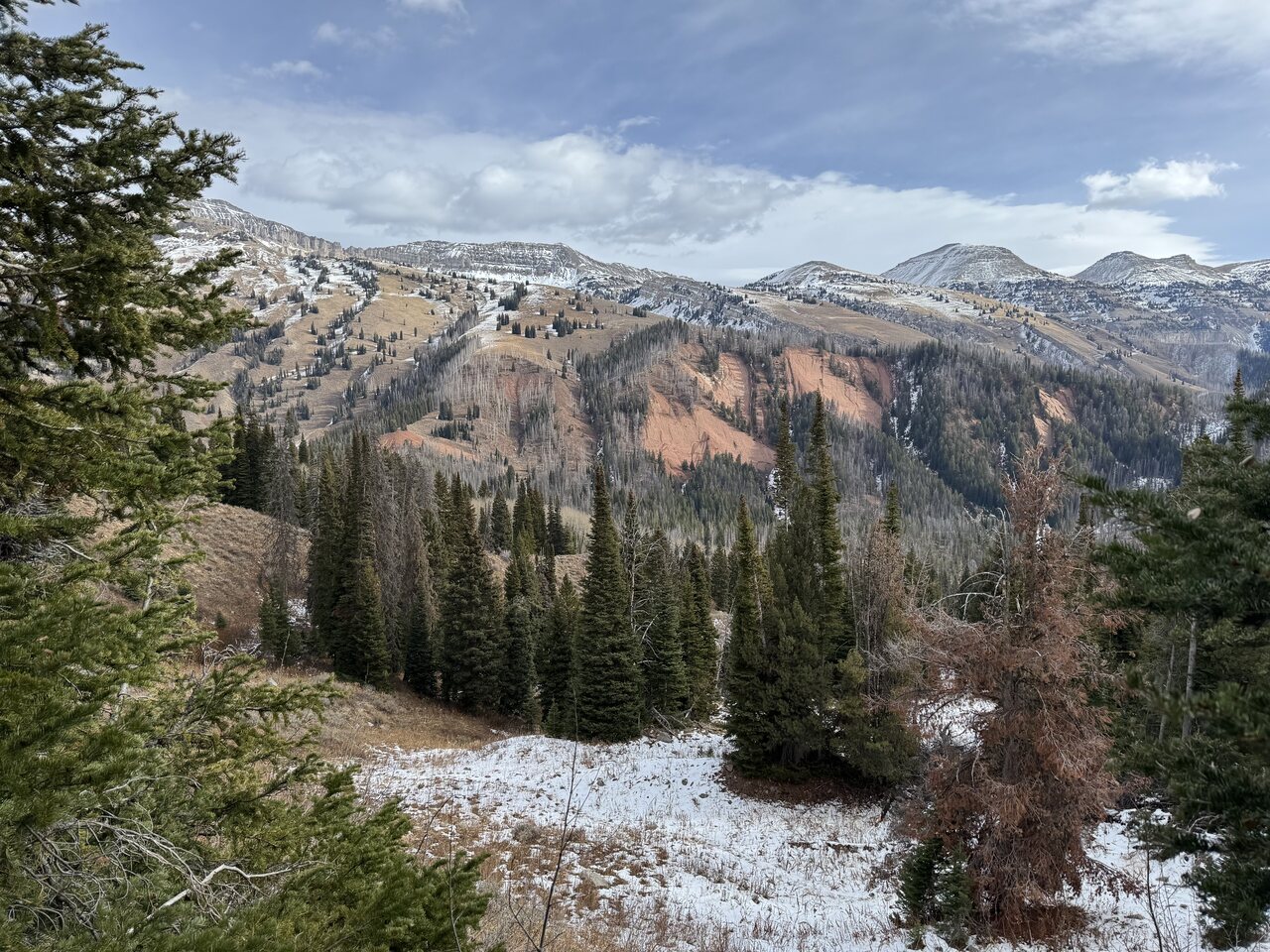
We continued in the direction they came from and veered off to look into the valley parallel to us. We couldn’t see much in there, but we were able to extensively glass the mountain slopes. Again, no elk, and very little as far as game trails in the snow. Todd from the shop had advised us “Valleys which have water in them will be cooler as well, due to heat sink, so you can target those too.” It seemed elk weren’t materializing “high up” for us, so exploring a remote valley seemed like a good idea.
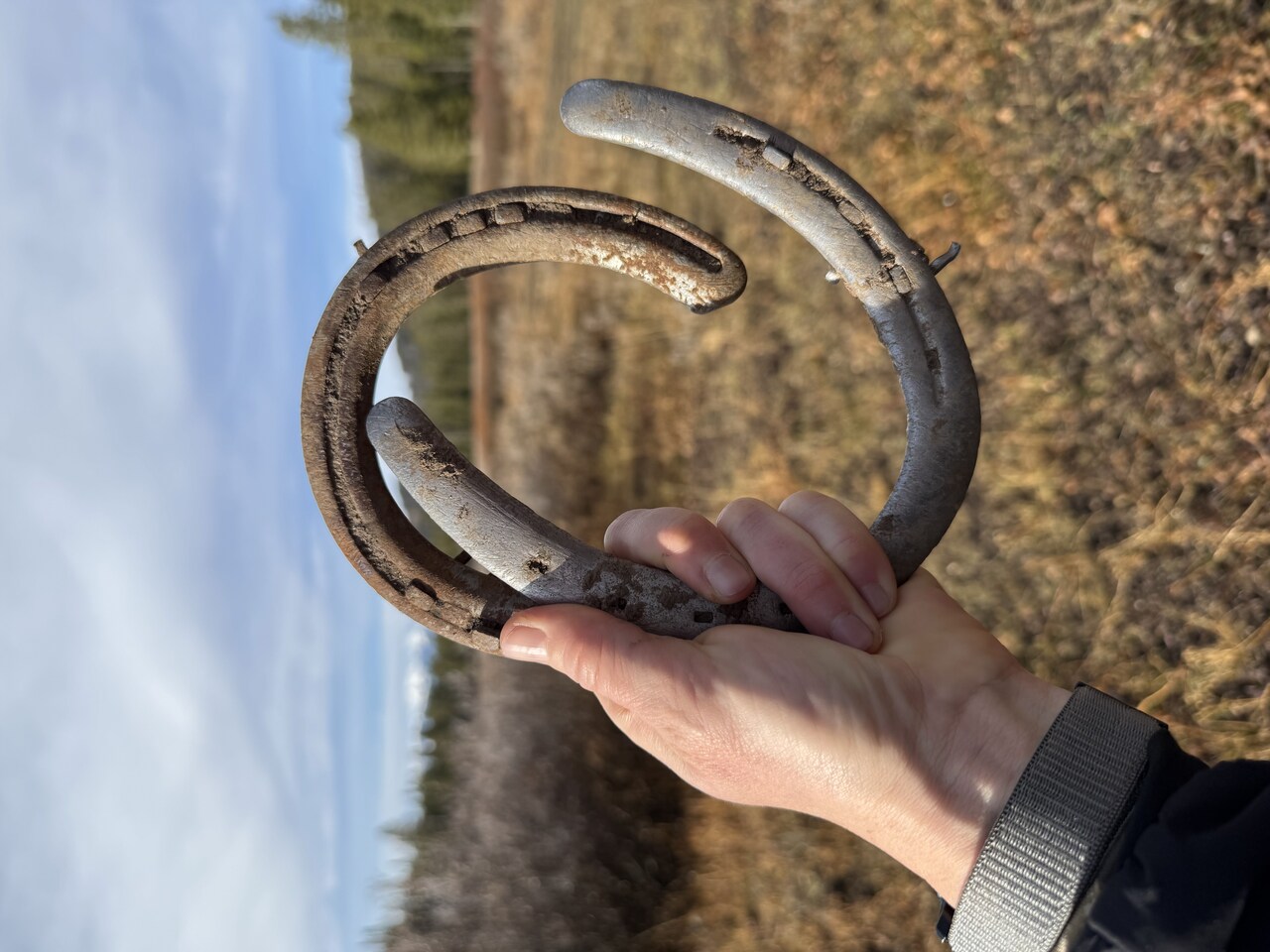
We dropped down into the valley, which featured a creek with some wetlands in the center, and deadfall covered slopes to each side. I spotted a horseshoe on a trail we followed and squirreled it away my pack, with a vague idea that it might be lucky.
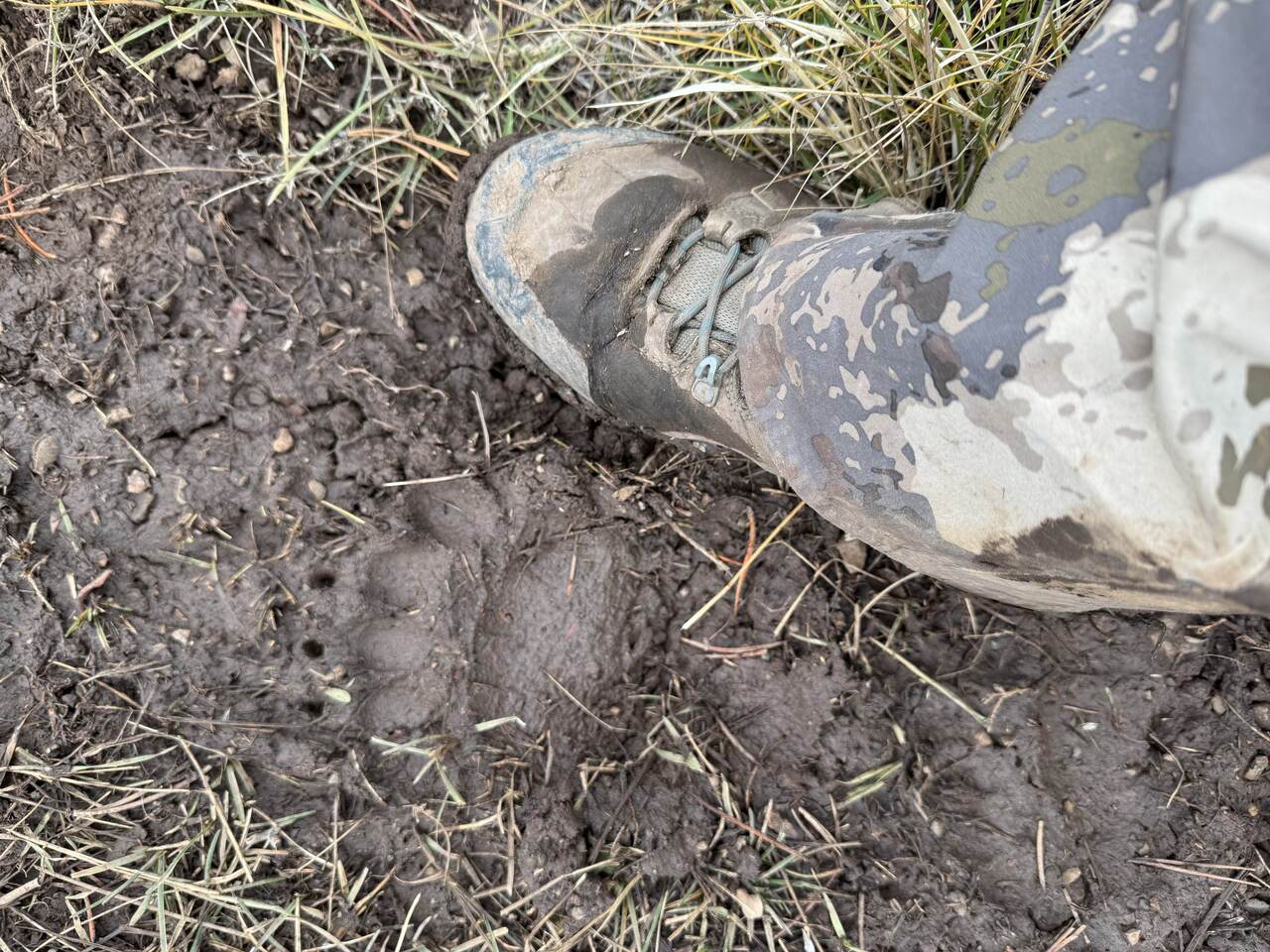
Near the creek itself, we started spotting some suspicious, large poop piles that were not horse, deer, or elk. I commented “looks like bear scat,” which would be a first for us in the unit. Sure enough, we got on a game trail with large, unmistakable bear tracks. I was suddenly glad that I hadn’t ditched my 357 revolver in the truck, which I was sorely tempted to do after not seeing any bear sign for two days.
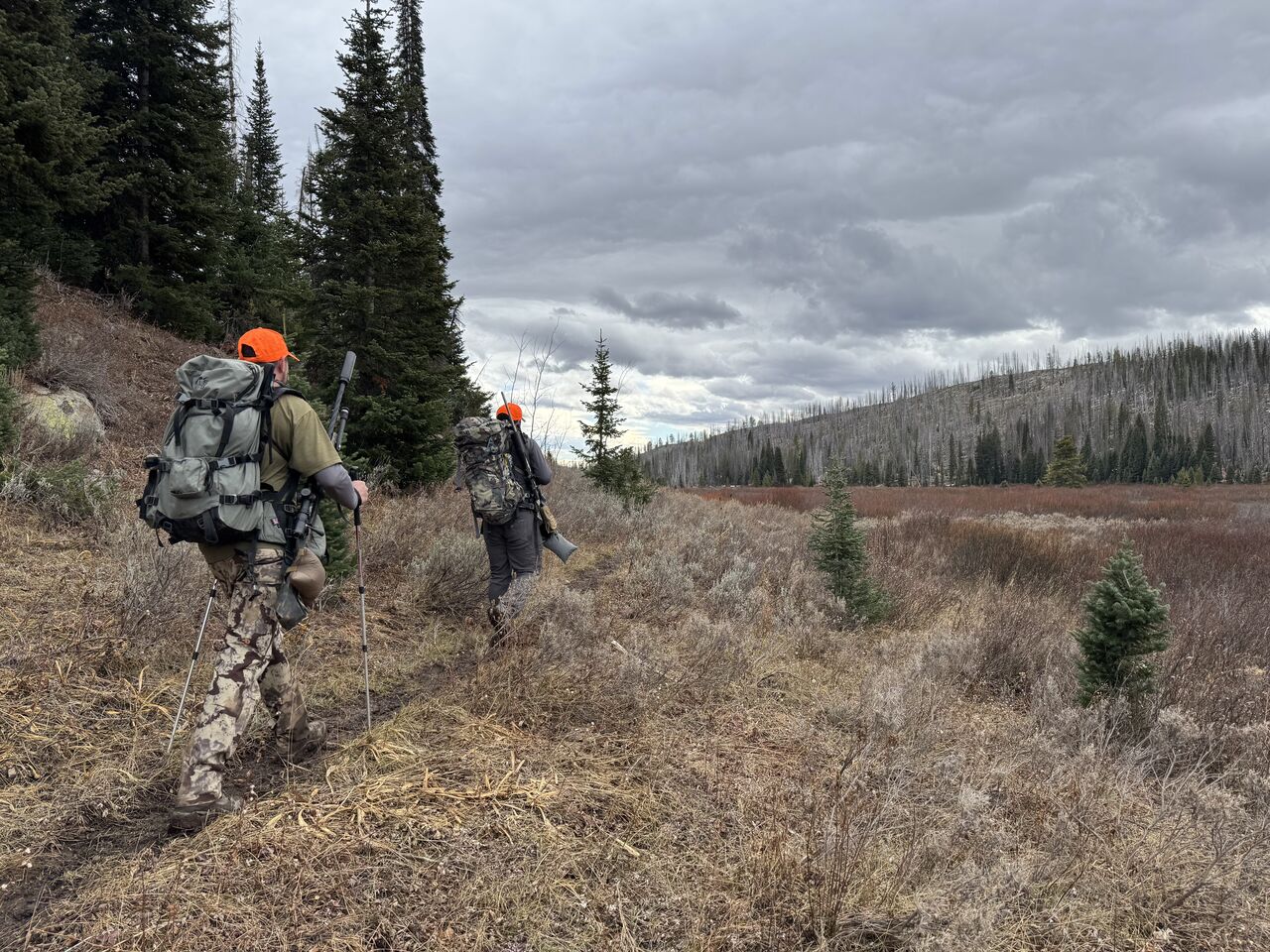
We stopped thinking about hunting, chatted about the tracks, took photos with our hands and feet near them, and continued on our way. Naturally, this was when elk materialized for us. We rounded some trees and Andre spotted a group about 400 yards away, across the valley bottom. We ducked down and remained unseen, but chest-high brush prevented any stable shooting opportunity. We dropped packs and attempted to crawl up the hillside to get above the brush, and use some deadfall as a shooting platform. Somewhere in the process of doing that, they must have spotted, heard, or caught wind of us. The group of ~8 cows/calves/spikes started trotting off through the valley bottom, and things happened very quickly. They paused momentarily as they climbed onto the hillside and entered a draw. Andre, with his unsuppressed Tikka in 270, waited for Brian with his suppressed Seekins 7PRC to take a shot first, but a clean shot didn’t present itself with enough time to execute it. The elk vanished.
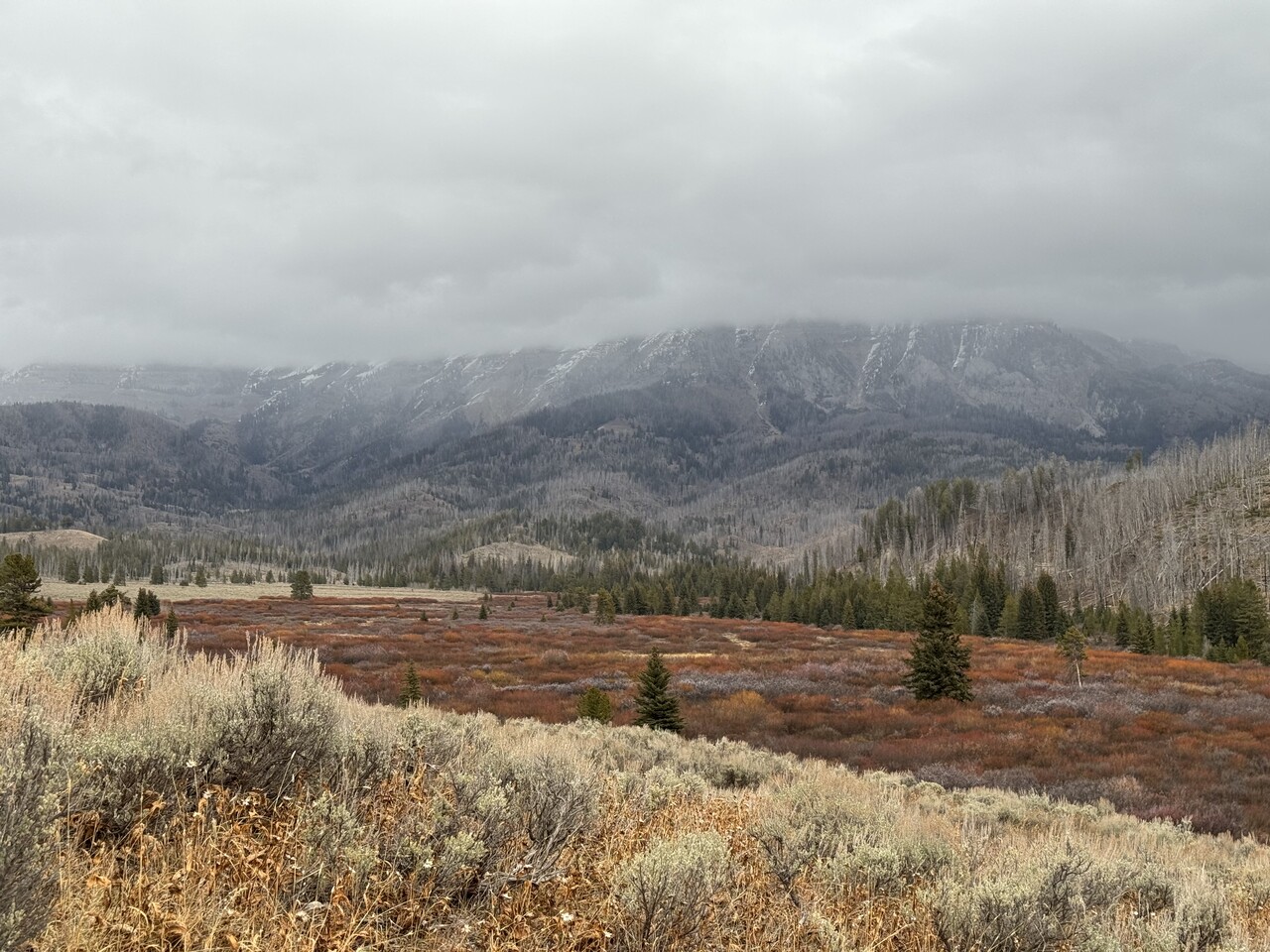
Baffled at their disappearance, we decided to head up the valley in the direction they went, on the opposite side of the valley bottom. We didn’t want to bump them, but we hoped we might get a glimpse at their position or be able to set an ambush. In the process of traversing the valley, we stumbled right into an extensive elk bedding area. We must’ve passed within 100 yards of it on our way down the valley and didn’t spot it.
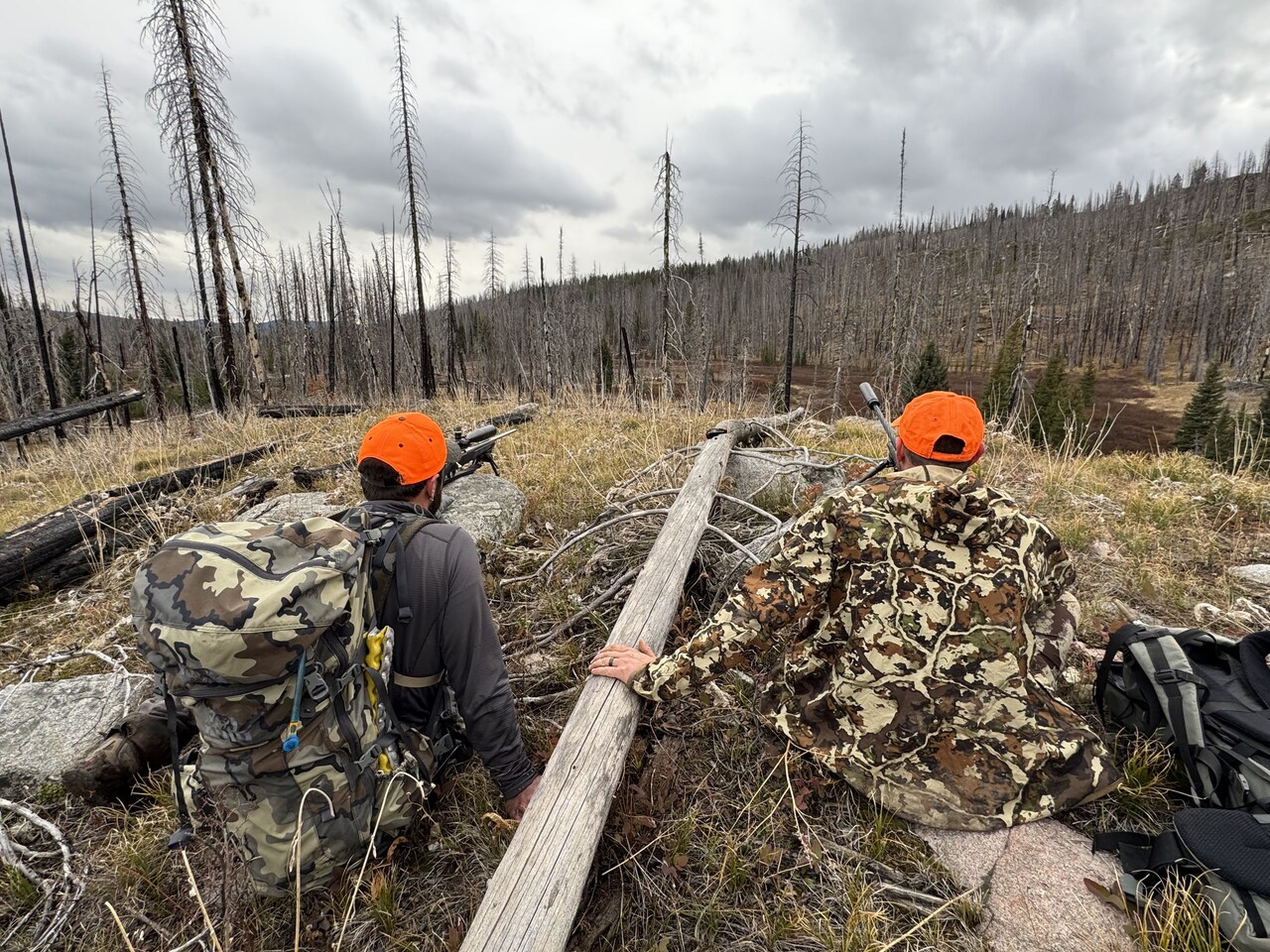
Not wanting to bust the herd hard out of the valley, we turned around and headed out. It was a long, dark march back to the road that words won’t do justice. Swamp, climbs, mud, the feeling of defeat, more horseshoes, and a skunk directly on our path through the woods that we nearly stumbled right into.
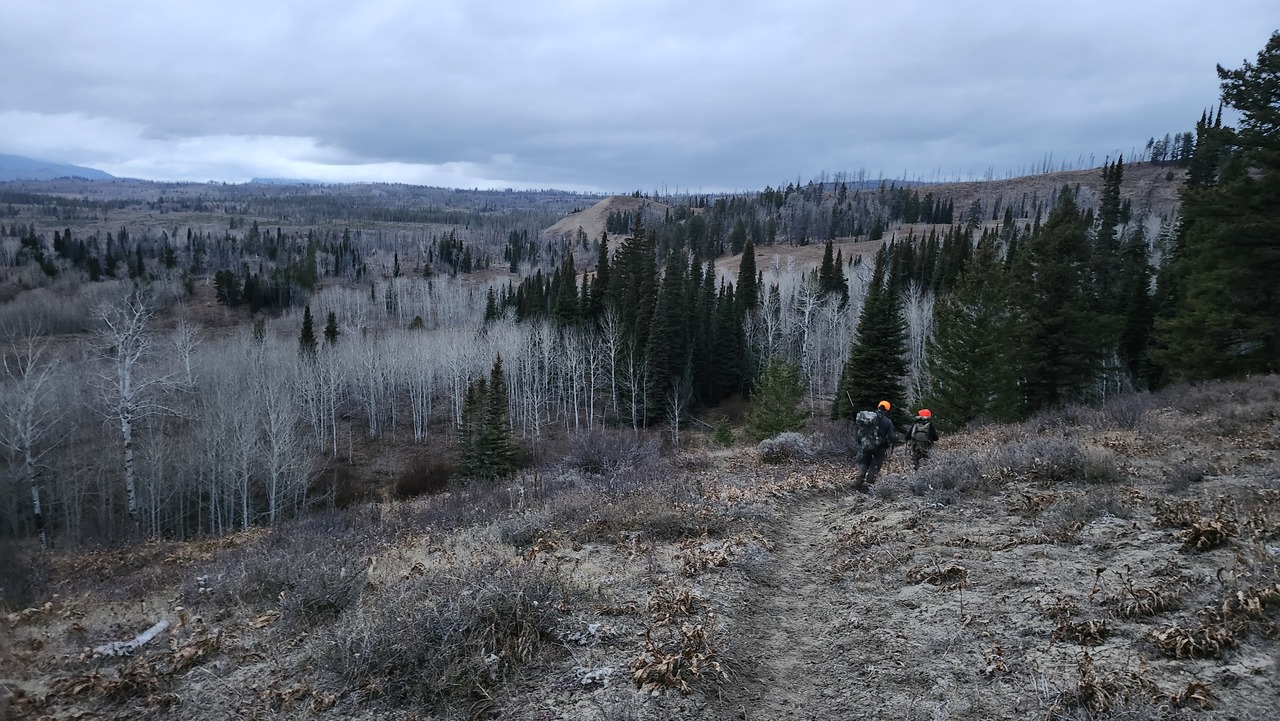
Morale was low and feet were very tired by the time we hit camp; we had clocked over 17 miles and 2600 feet of elevation gain on foot. To make matters worse, a light drizzle had started about 90 minutes before we got to camp, increasing our anxiety about the truck getting stuck again. A mild dirt road quickly turns to grease in Wyoming with the addition of a little moisture; it must be experienced in person to truly appreciate it.
We rapidly packed up camp in the rain, and clenched our butt-cheeks until we got onto a solid road. A morale-boosting shower and a night in real beds sounded dandy, so we headed back to Pinedale for another stay at the Log Cabin Motel. The room was fully equipped with a kitchen, so we had no trouble heating up a huge batch of Brian’s chili. A day of suck really gives you an appreciation for modern comforts.
Day 4:
Given a lack of morning sit locations that wouldn’t require hiking 2-3 hours in the dark, we decided to sleep in until 6:30am and explore a new location. We figured it might not be a bad idea to give the elk we bumped a rest. After a breakfast of coffee, bagels, and oatmeal, we stopped at a gas station for the most mandatory provision - ice cold Redbulls.
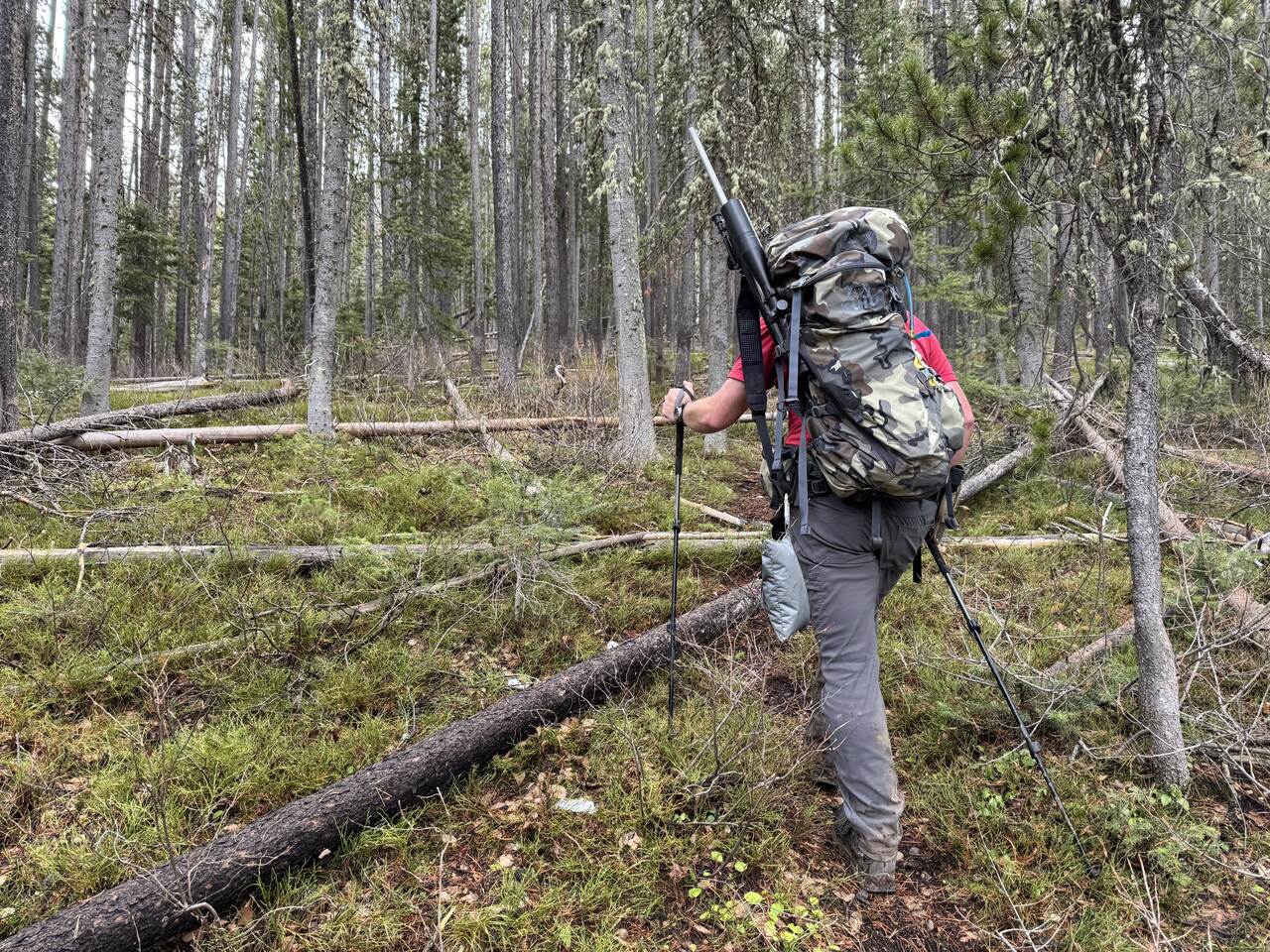
I force fed the guys ibuprofen as we hopped out of the truck and headed to the base of a hillside to summit and traverse. It would lead towards a new valley we wanted to target - one that appeared to provide a similar cool bottom with plenty of water as yesterday’s valley, but with no horse/hiking trails and hopefully less hunting pressure.
We hiked in a little over a mile along an ATV trail and cut towards a stream we needed to cross, only to find an ATV at the precise spot we wanted to head in. What are the odds. Luckily it would be the only sign of other people we’d see all day. We kept going for another half mile and then hopped over the creek.
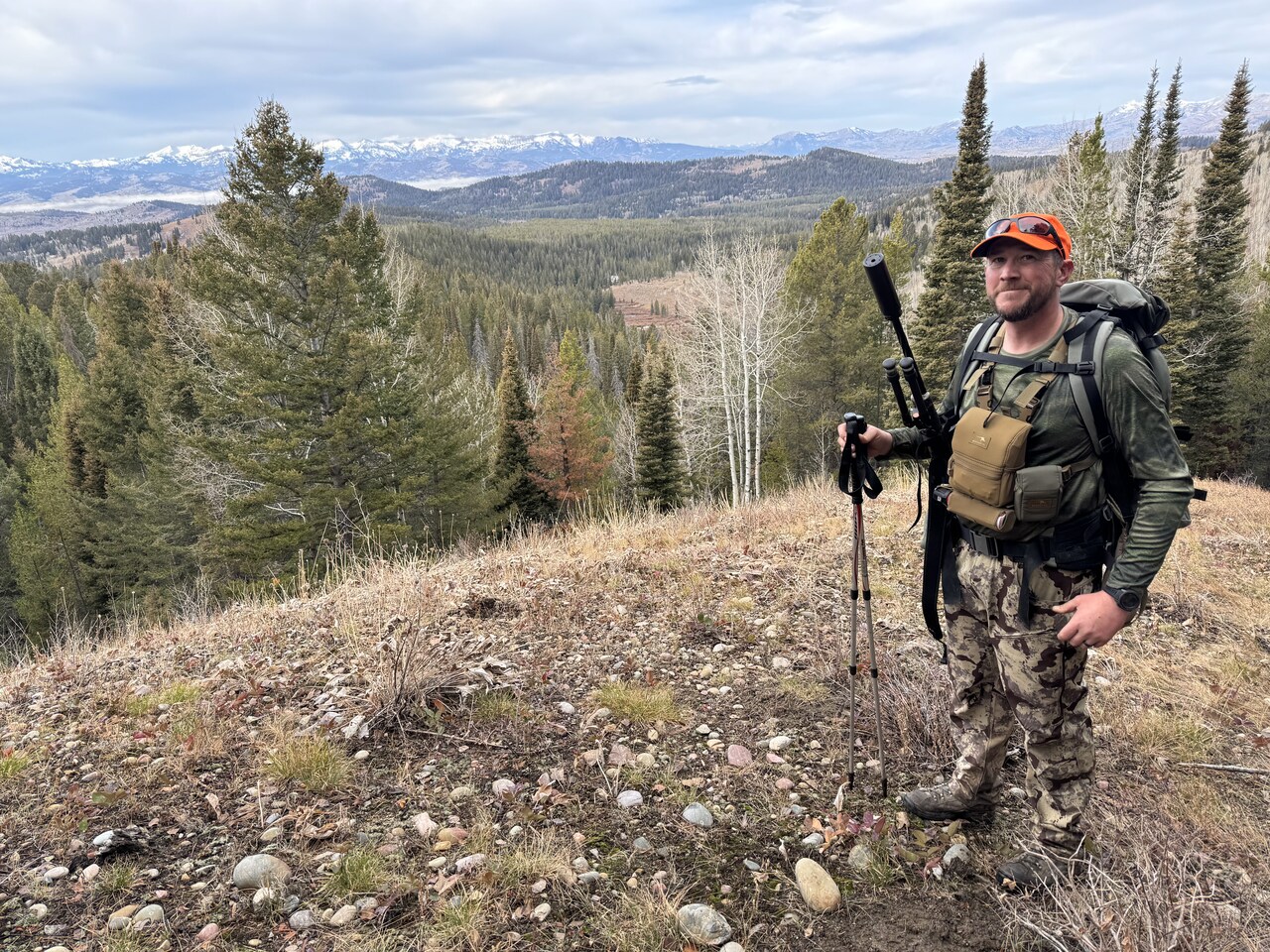
It was a long, steady climb through evergreen woods, but we were encouraged by an increasing amount of elk sign and heavy game trails. Once we reached the top of the ridge, the elk sign only continued. We traversed about a mile, gaining and losing elevation along the ridge line, until we emerged on a bare ridge running north-south.
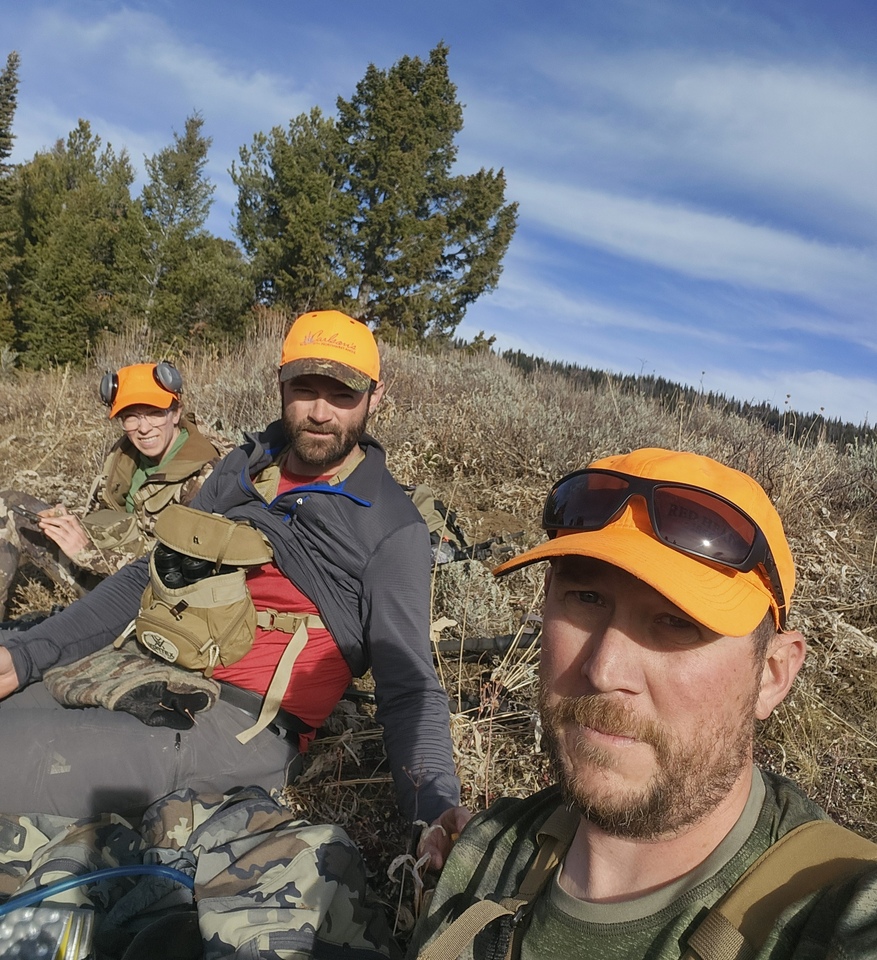
Nothing better in the mountains than a good clear ridge-walk to cover distance! A valley with frozen ponds was nestled 300 feet below it. Unfortunately, the hillsides were heavily timbered, giving very few vantage points cross-valley and on the valley bottom. We plopped down for an evening sit at the best spot we could find, but unfortunately didn’t see a glimpse of elk or deer.
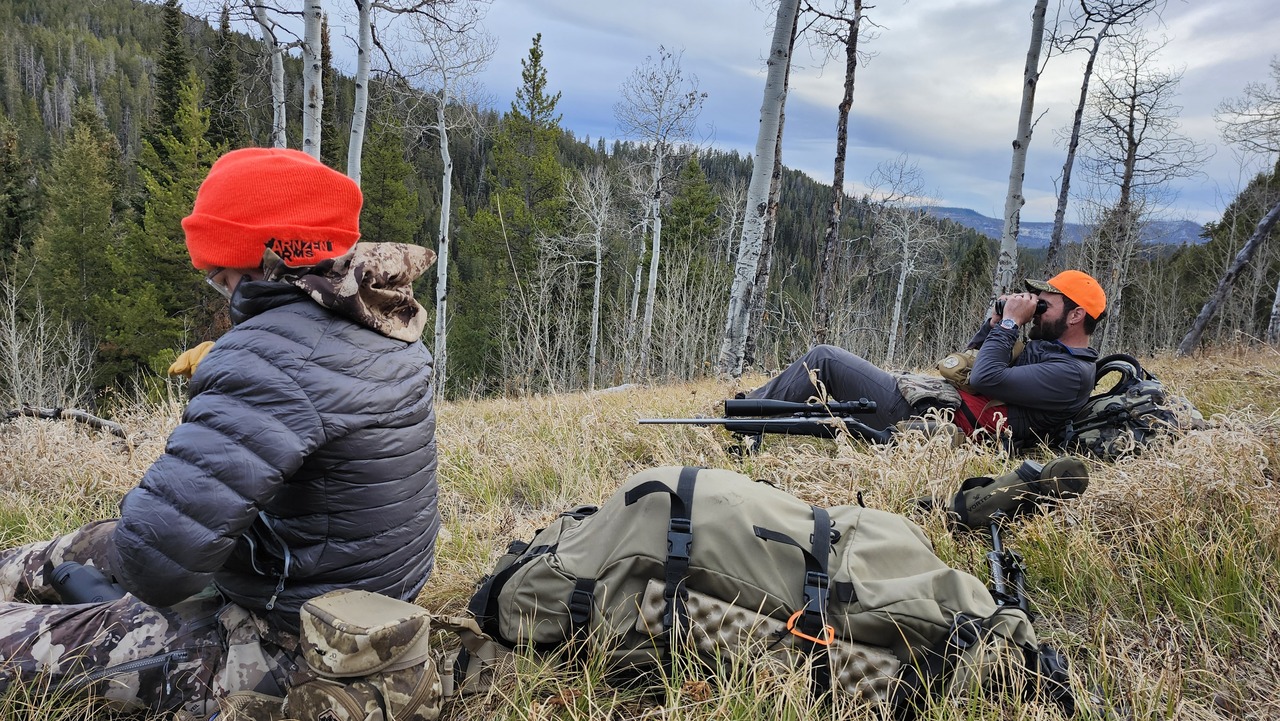
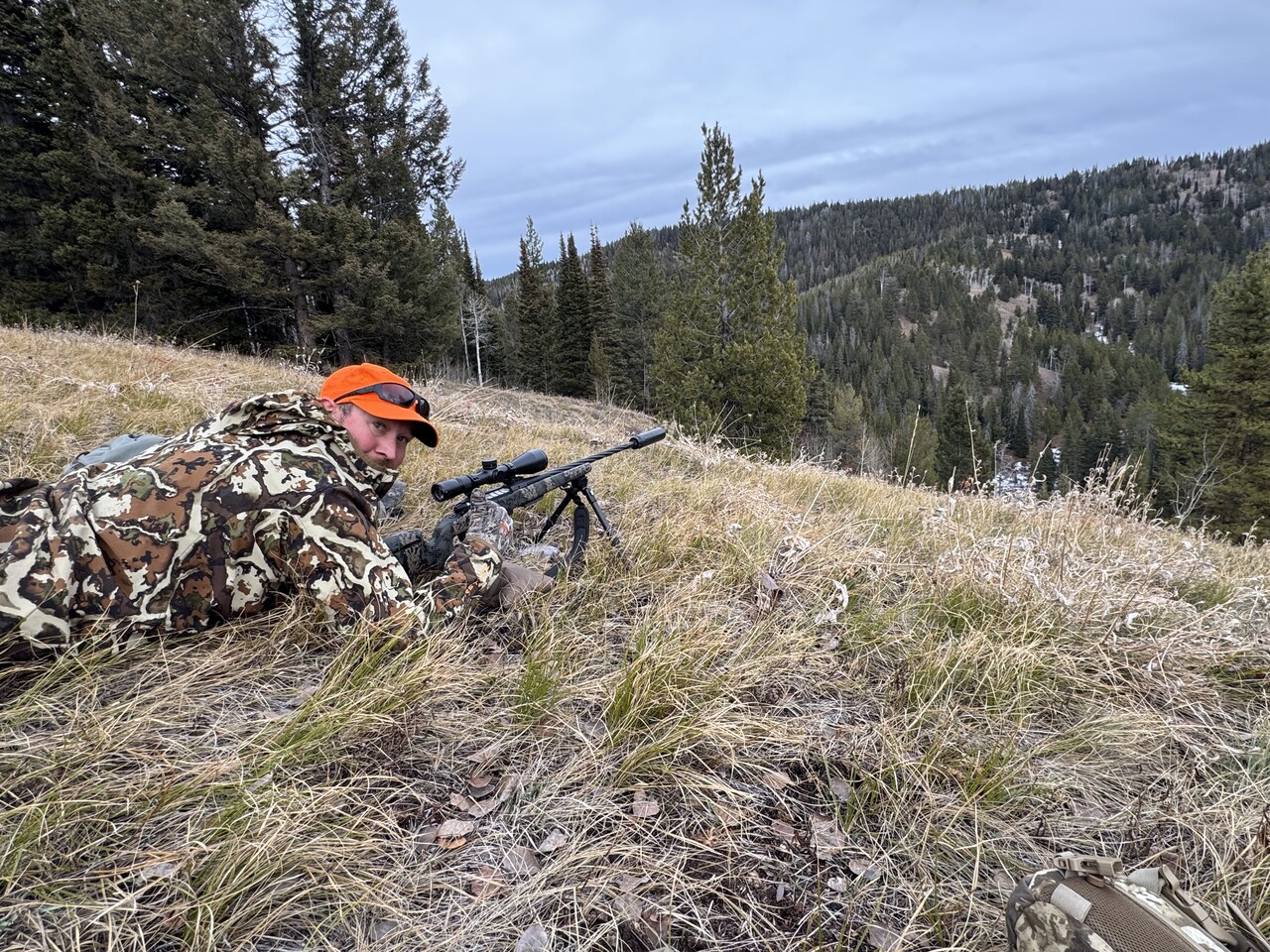
The ~3 mile hike in the dark through the ridges and woods back to the ATV trail took 3 hours. We must’ve been hopped up on Red Bull on the hike in that morning, because the way down felt shockingly long and steep. One day we’ll make it back to Pinedale in time to enjoy the Cowboy Bar - but today was not the day.
Day 5:
Lacking the experience and know-how of hunting elk in yesterday’s thick timber, we thought it best to head back to the deadfall flanked valley where we spotted a herd on Day 3. We wanted to get into the valley by popping over one of the ridges along it rather than going straight up it, so Brian came up with a plan. Only downside to the plan was having to log-hop through a half mile of deadfall. That’s okay - suffering pleases the elk gods, or so we think.
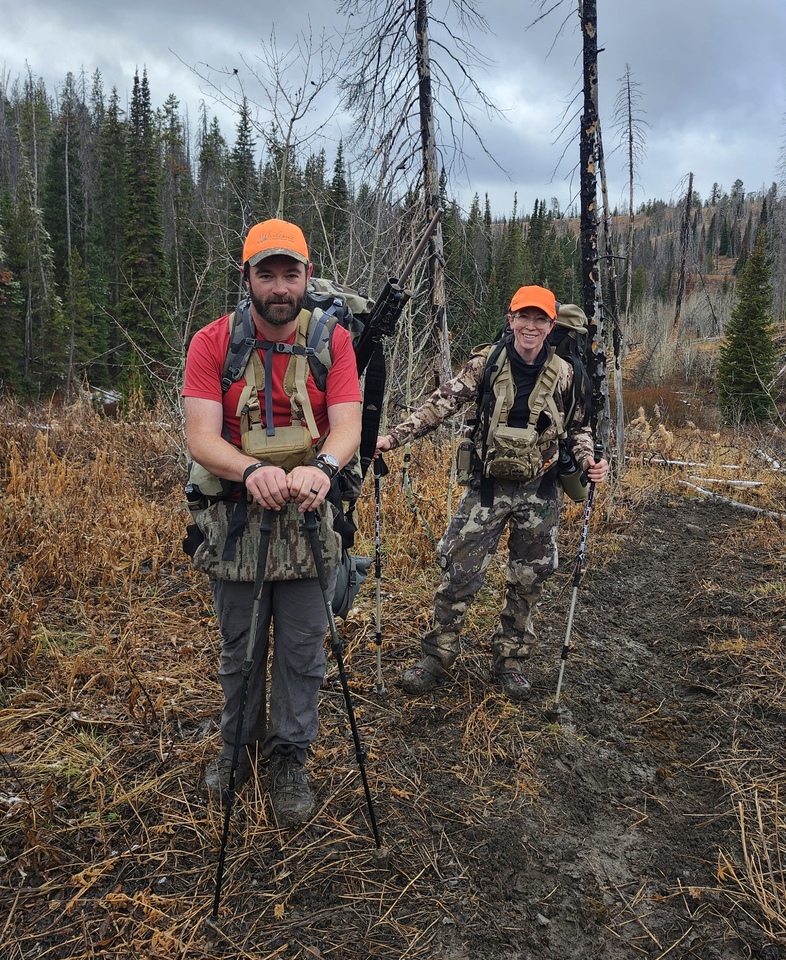
We set off on the horse trail again, for a brisk 5 mile hike back up to the open clearing at 8200 feet. We found lots of evidence of traffic - a churned up trail, another horseshoe (which I stuffed in a pocket, because why not lug around an extra chunk of metal all day), and a live 300 win mag round. We were thoroughly inside our own heads when a loud snort directly to the rear startled us damn near out of our boots. A 3 horse train with a guide and 2 clients was directly behind us on the trail and looking to pass by. Good thing we have great situational awareness in grizzly country. They were the same guys from 2 days ago, still carrying their rifles, so it looked like they weren’t filling their tags either.
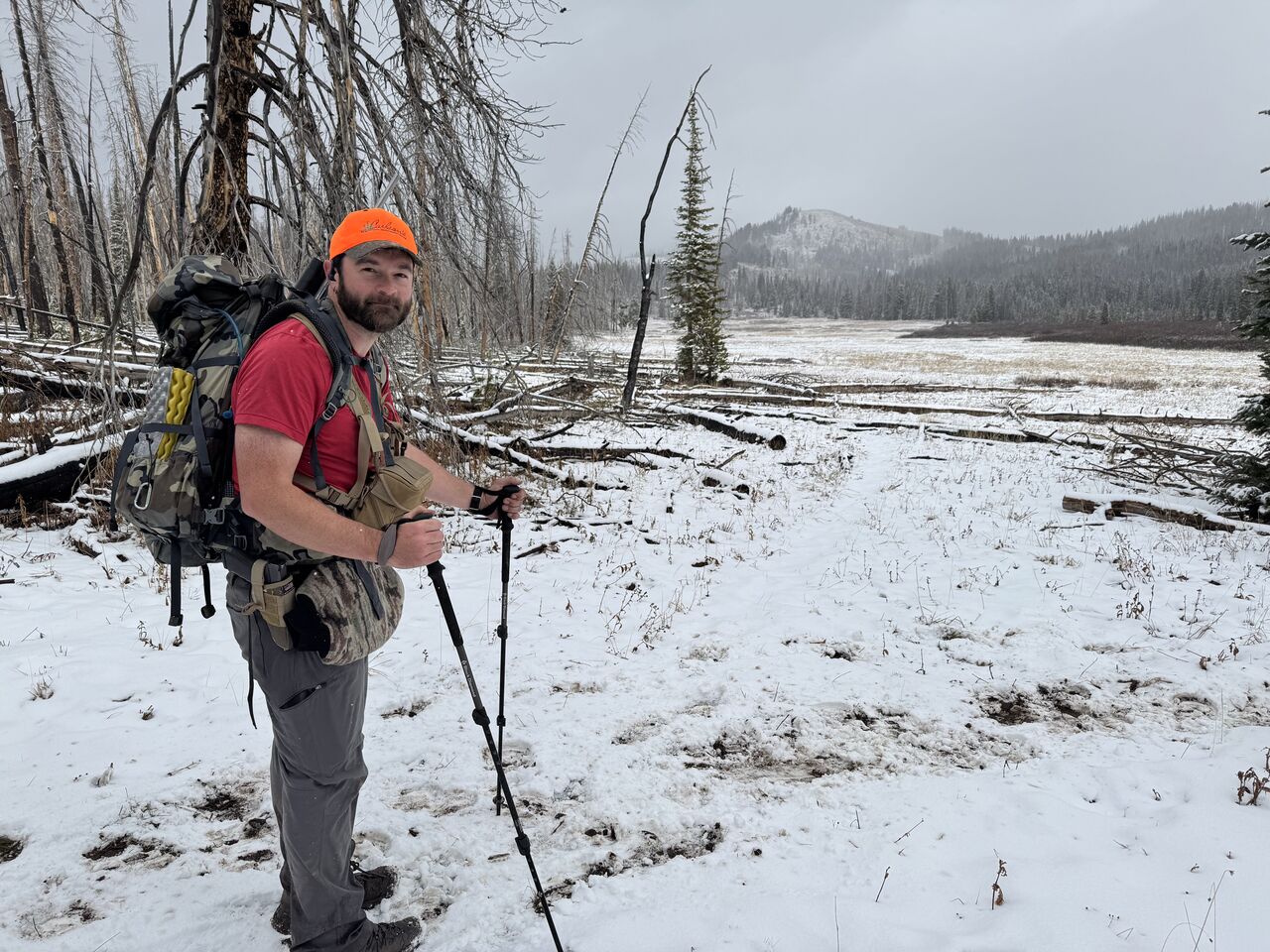
Several grouse meandering around logs greeted us near the entrance of the high open clearing. We headed towards the deadfall valley we’d need to cross, and spotted several huge tents that must be the spike camp for the horseback guides.
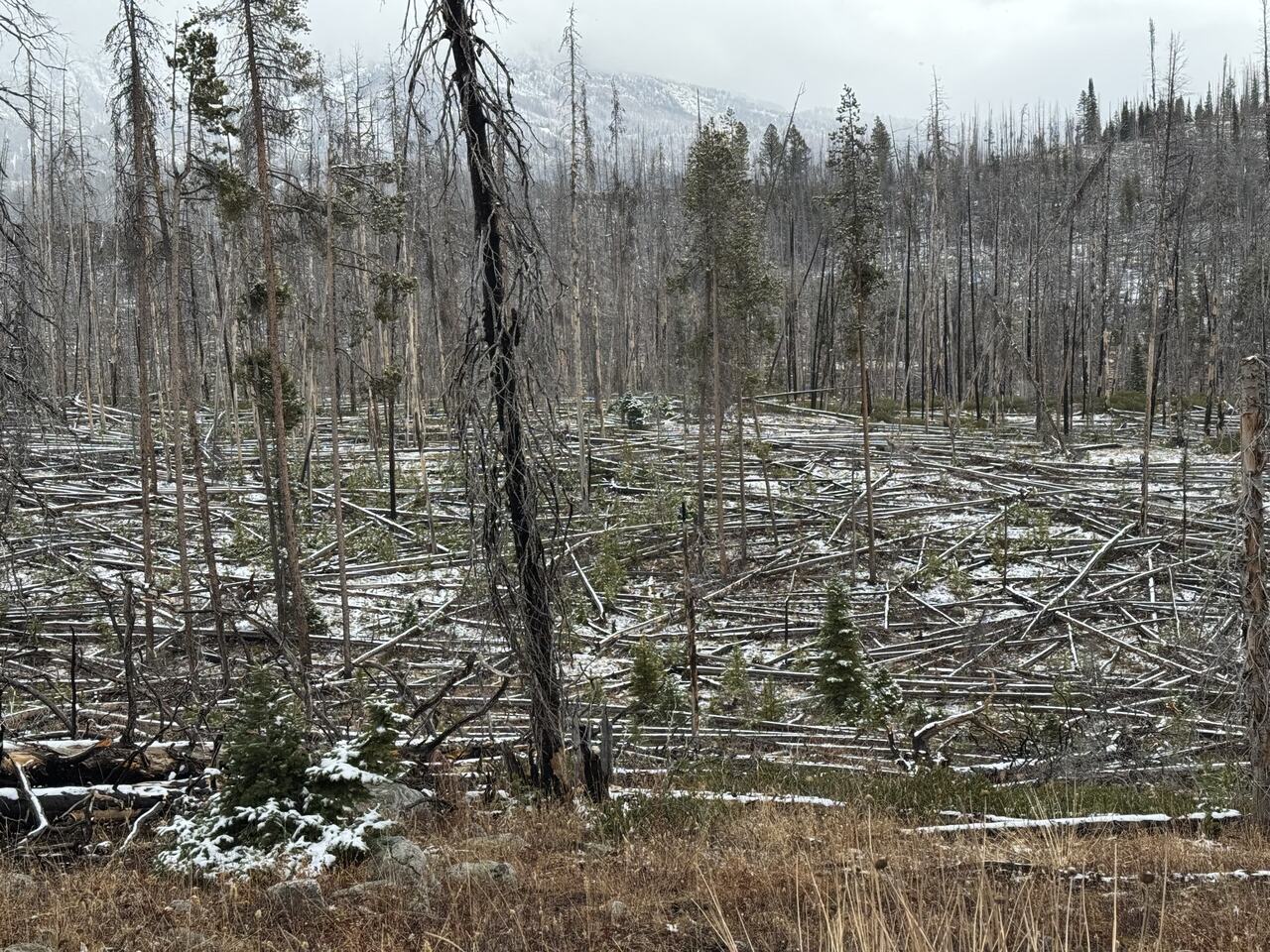
The deadfall valley looked like god tossed down about 10,000 matchsticks and walked away. Crossing 800 yards of it took us about an hour. It wasn’t as bad as we feared; luckily most of the logs had lost their branches, and many were low to the ground. I wouldn’t love to pack out meat through it though, and I did manage to add some new aeration holes to my pants.
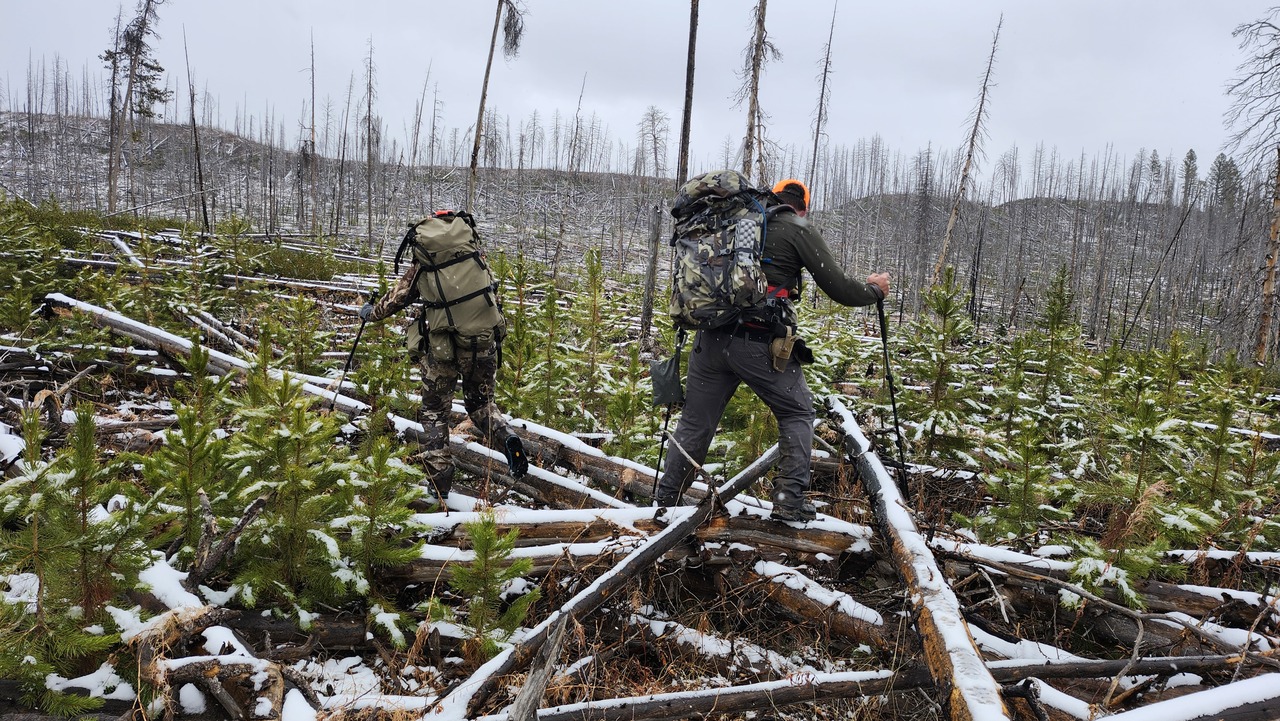
Cresting the ridge on the other side of the deadfall valley, we were able to peek into our target valley. Unfortunately, we were getting blasted by a cold ~15 mph wind directly at our backs, and sporadic snow was frequently limiting our visibility. Myself and Brian were fairly concerned about the wind blowing our scent into the valley. Quite frankly, I wasn’t looking forward to staying there for an extended period of time - it was definitely in the teens with windchill.
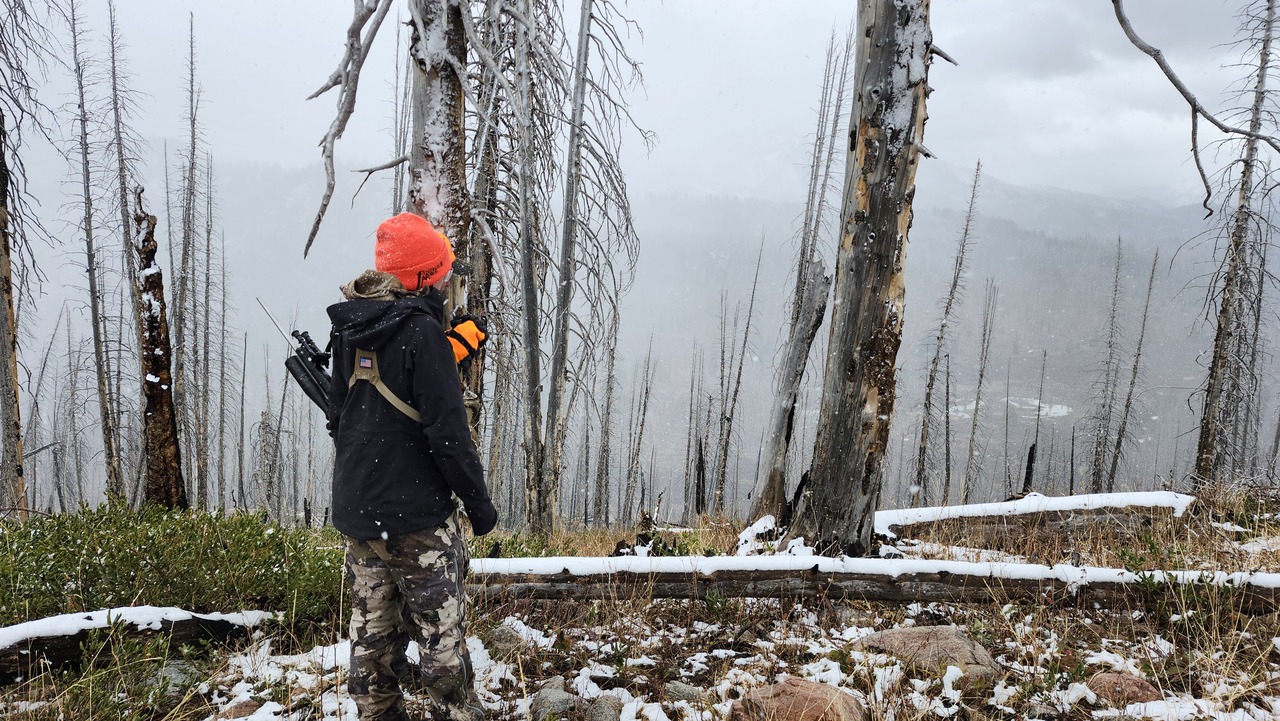
Andre pointed out that it was very hard to tell what the wind blasting over the ridge was going to do in the valley, and this was the spot we had hoped to reach for an evening sit. Some debate ensued about whether the elk were likely to get up at all in these conditions, and we eventually decided to drop down into the valley and try to make a move on them - if they were even there at all.
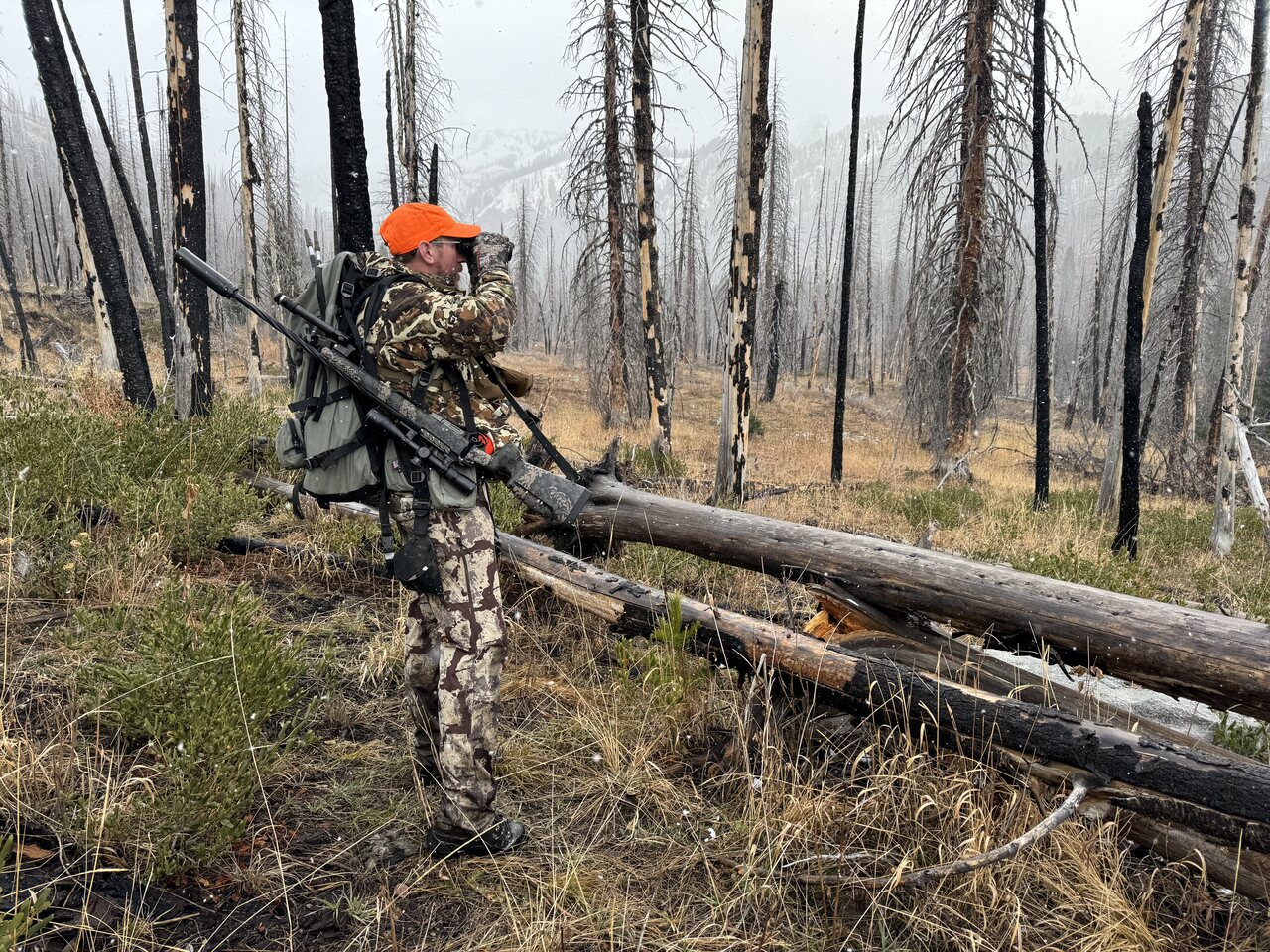
200 yards off the ridge and onto the nearest bench, the wind had died down completely, leaving us in an eerie calm. The bench proved to be another likely bedding area, with crushed vegetation and elk scat all over the place. We found a good spot to glass from it, and gave the valley a thorough look. It was dead quiet, with the weather alternating between sunshine and snow.
Lacking other ideas, we dropped to the valley floor and initiated a slow walk through it. Nothing stirred. Near the end of the valley, Andre spotted a fresh spent rifle casing, right next to heavy elk tracks heading to the next valley. Given that, and our lack of bumping anything, we felt it was pretty likely that the elk had been driven out.
The next couple hours were a silent hike in darkness with a fluctuating snow. It was just enough moisture to fully activate the mud on the trails, and get it to a special consistency that leant itself to what I’ll call “boot cakes.” This is when Wyoming mud mixes with vegetation and sticks to your boots in clumps that weigh several pounds. Brian noted that I was suddenly standing several inches taller, and he was constantly dodging the huge mudcakes that myself and Andre were shedding and reforming. Suffice to say, it was a relief to get back to the road. Glowing eyeballs from curious horses behind a fence greeted us as we got back to the truck, and we quickly packed up with one goal in mind - The Cowboy Bar.
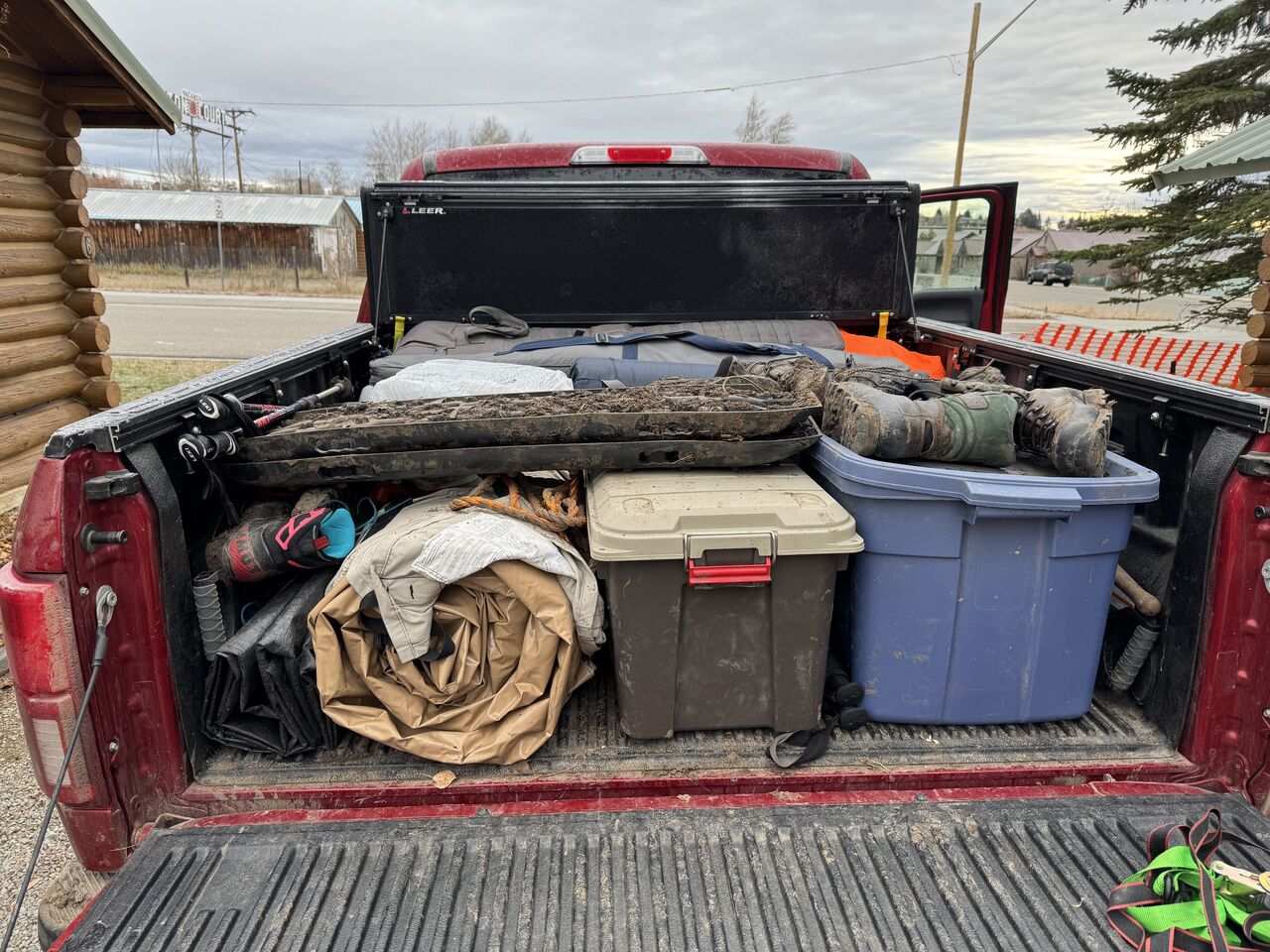
Reflecting on the hunt over beers and whiskey (and many indoor cigarettes for Brian and Andre, which for some reason the bar seemed to encourage), our biggest hurdle on the hunt (besides not shooting the elk we saw) was losing too much time and energy to hiking in and out from the truck each day. With the relatively warmer weather and lack of deep snow, the elk were hanging out deep in the unit, well past vehicular access. Next time, unless all indications pointed to deep snow already on the ground (driving the elk down), we’ll plan on backpacking in and setting up a spike camp.
We hiked 54 miles in 5 days, and many of those miles were just getting in and out each day - a spike camp would’ve allowed us to burn more energy hunting and getting in deeper. Reliable off-road travel methods are also a must to save time and energy - whether it be horses, an ATV, or a truck with actual off-road capabilities. We also pondered if we had made a big mistake leaving the elk we spotted on day 3 to check out another area - as Randy Newberg says, “don’t leave elk to find elk.”
We didn’t bag any elk, but it had still been a great hunt, with many miles and hours spent in some of the most beautiful scenery you can find. We’re still new to elk hunting, and learned many valuable lessons that will help us on future adventures.
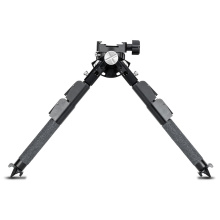
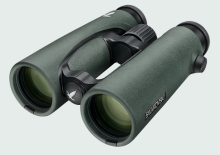
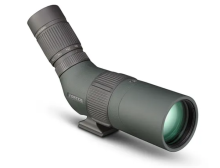
Highlighted gear: